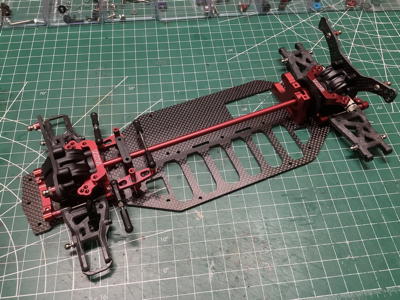
Tamiya TB Evolution III Project

Page 2:  Assembling the Chassis


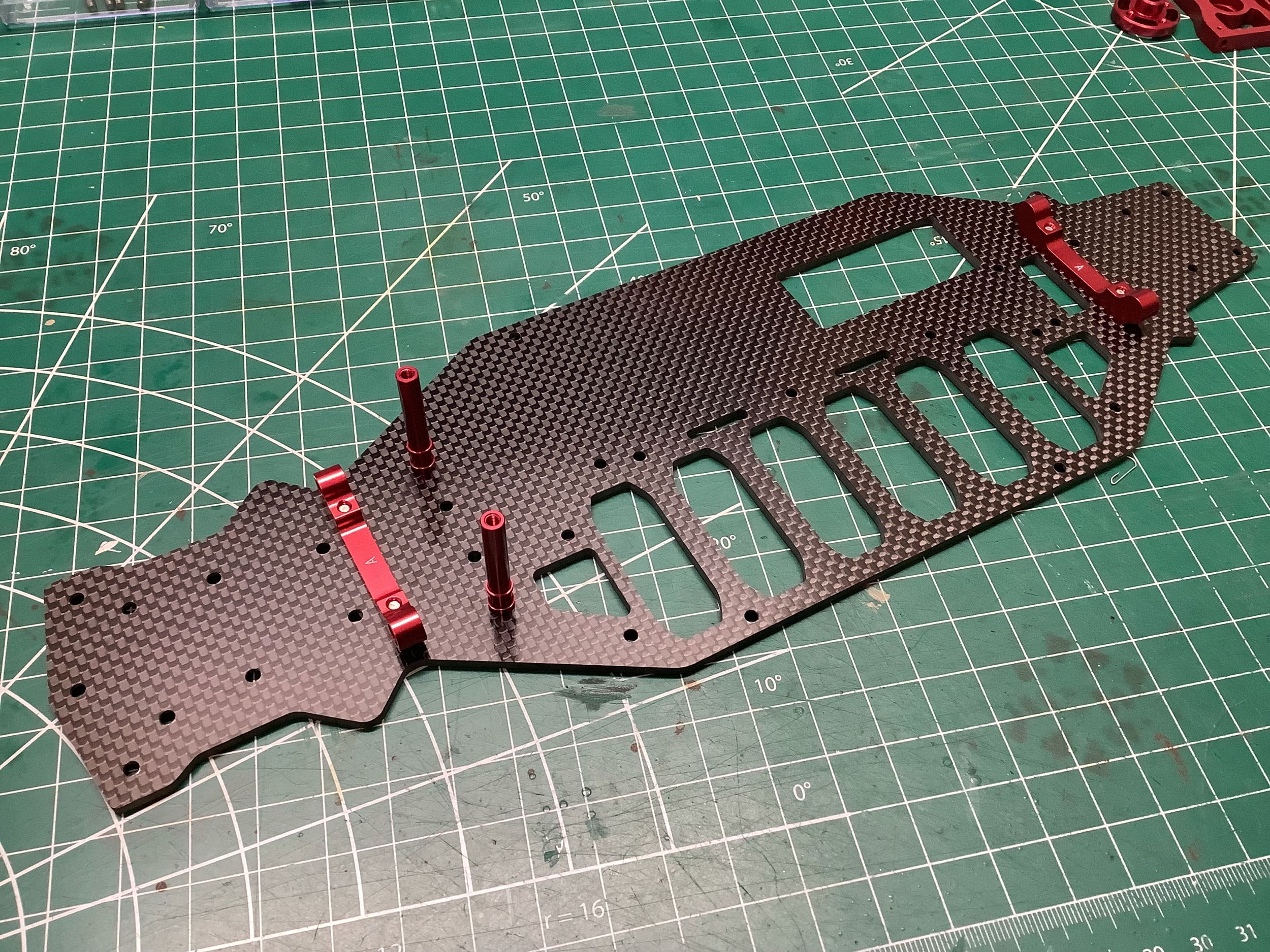
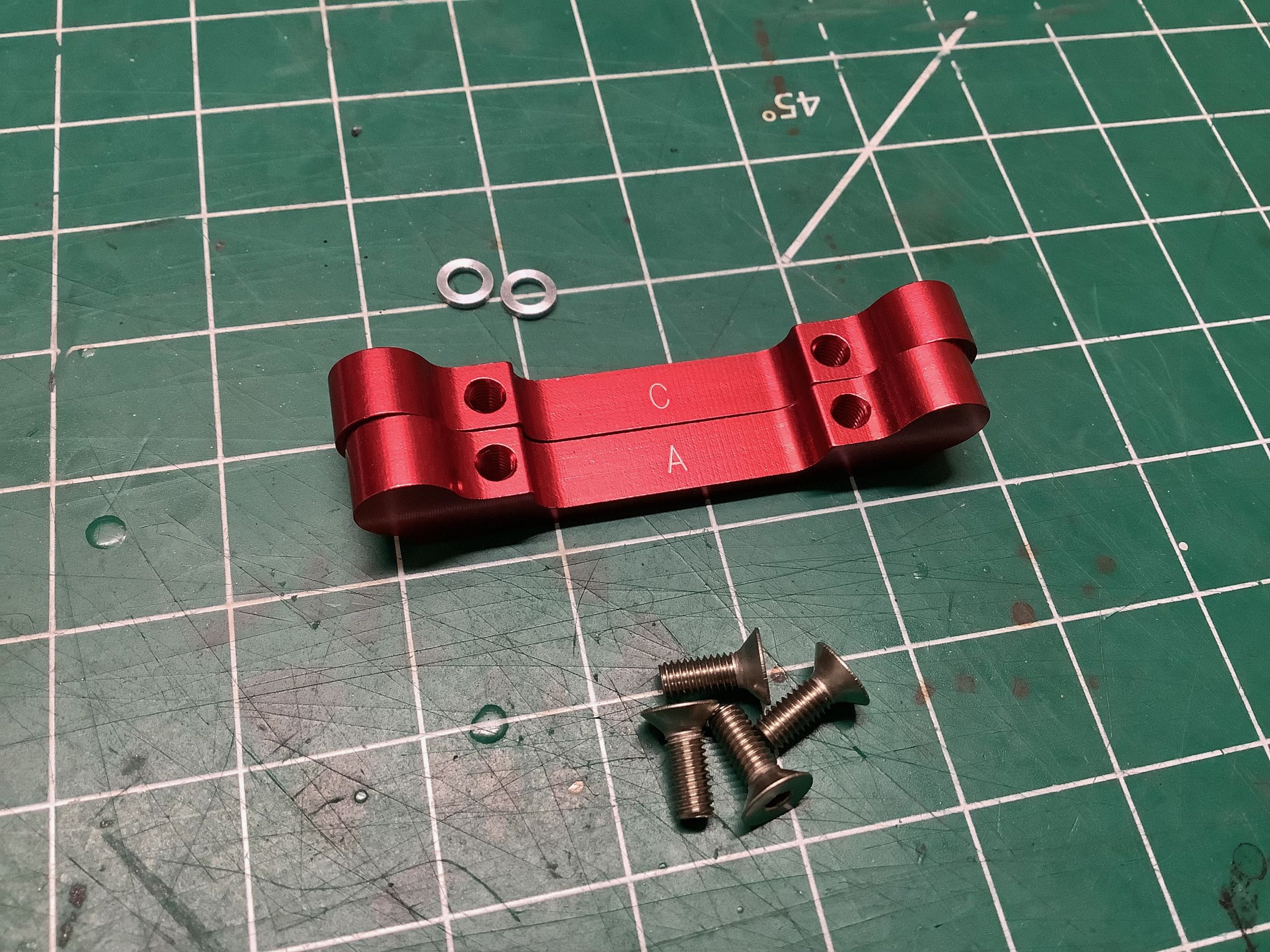
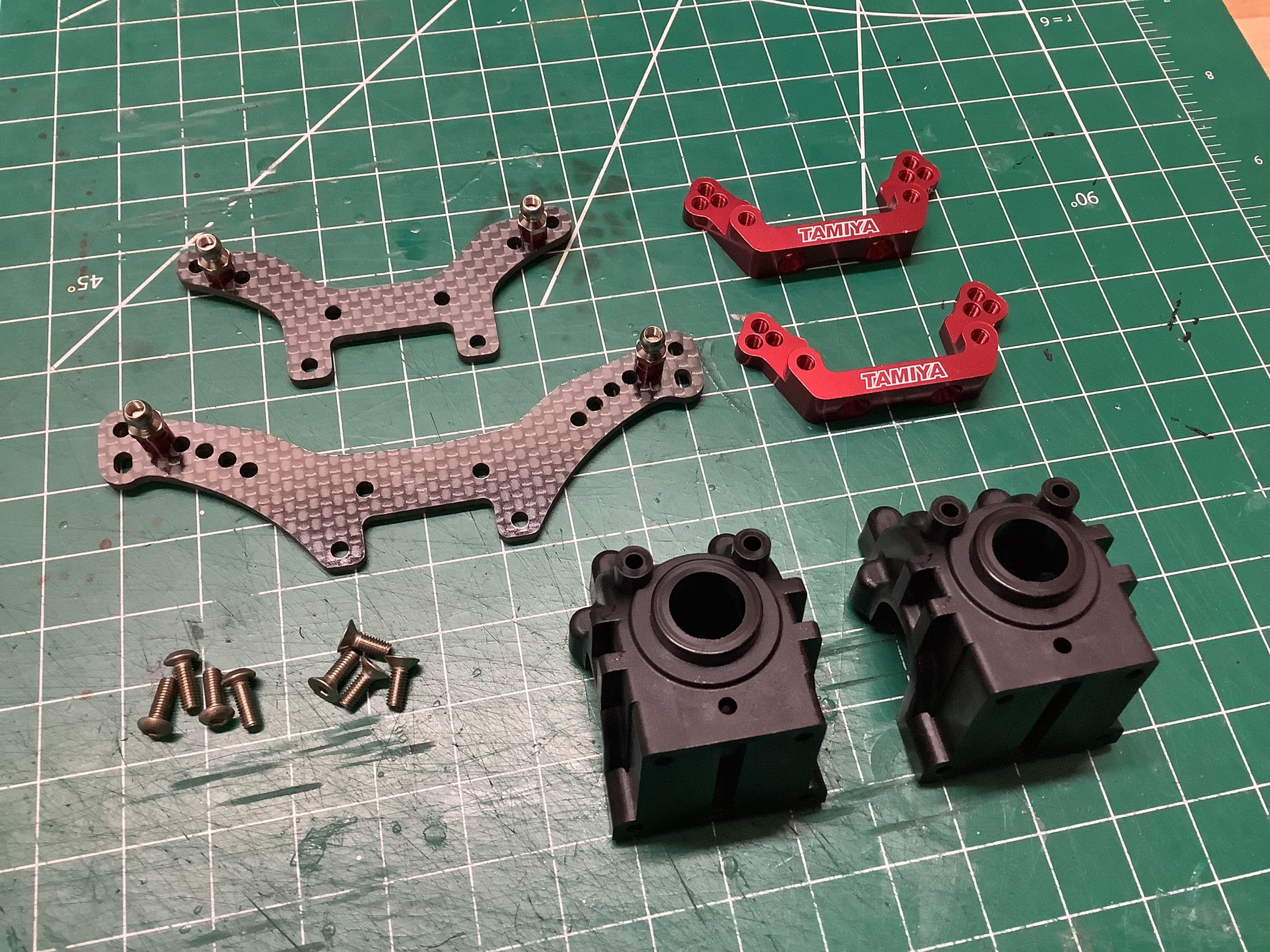
The Evo III starts right off with the unusual red anodized aluminum parts.  This color is virtually never seen in a Tamiya model (I can't think of another one).  The suspension mounts are similar in design to those from the Evo II, but now have the familiar letters stamped on them to indicate width.  There are some less obvious changes unique to the Surikarn edition visible in these photos.  The first photo shows a handful of titanium hex screws which are used throughout this model.  The regular EVO III still uses steel JIS screws.  The carbon lower deck is also different from the standard.  Standard Evo III is 2.5mm thick while the Surikarn version is 3mm thick.


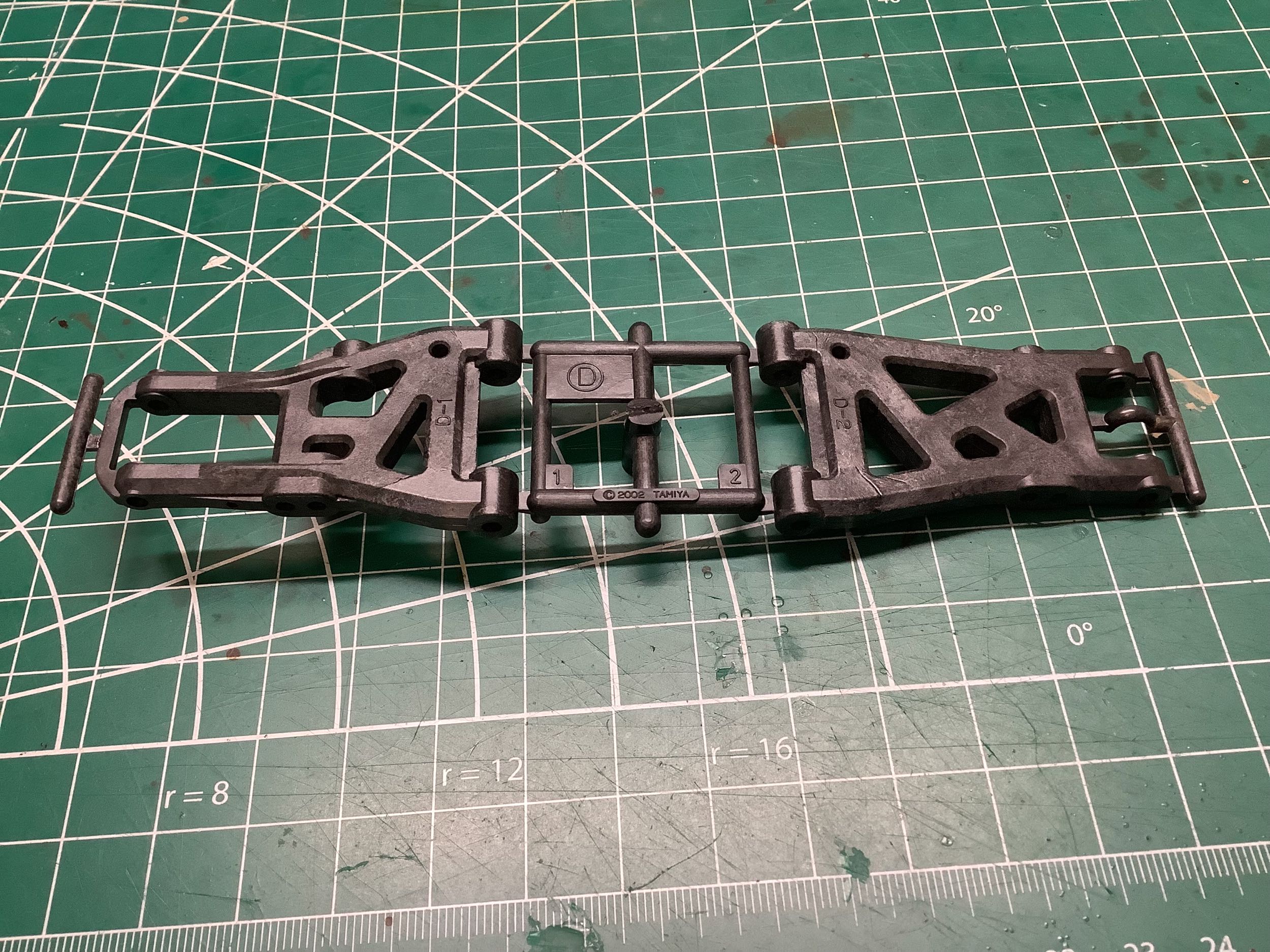
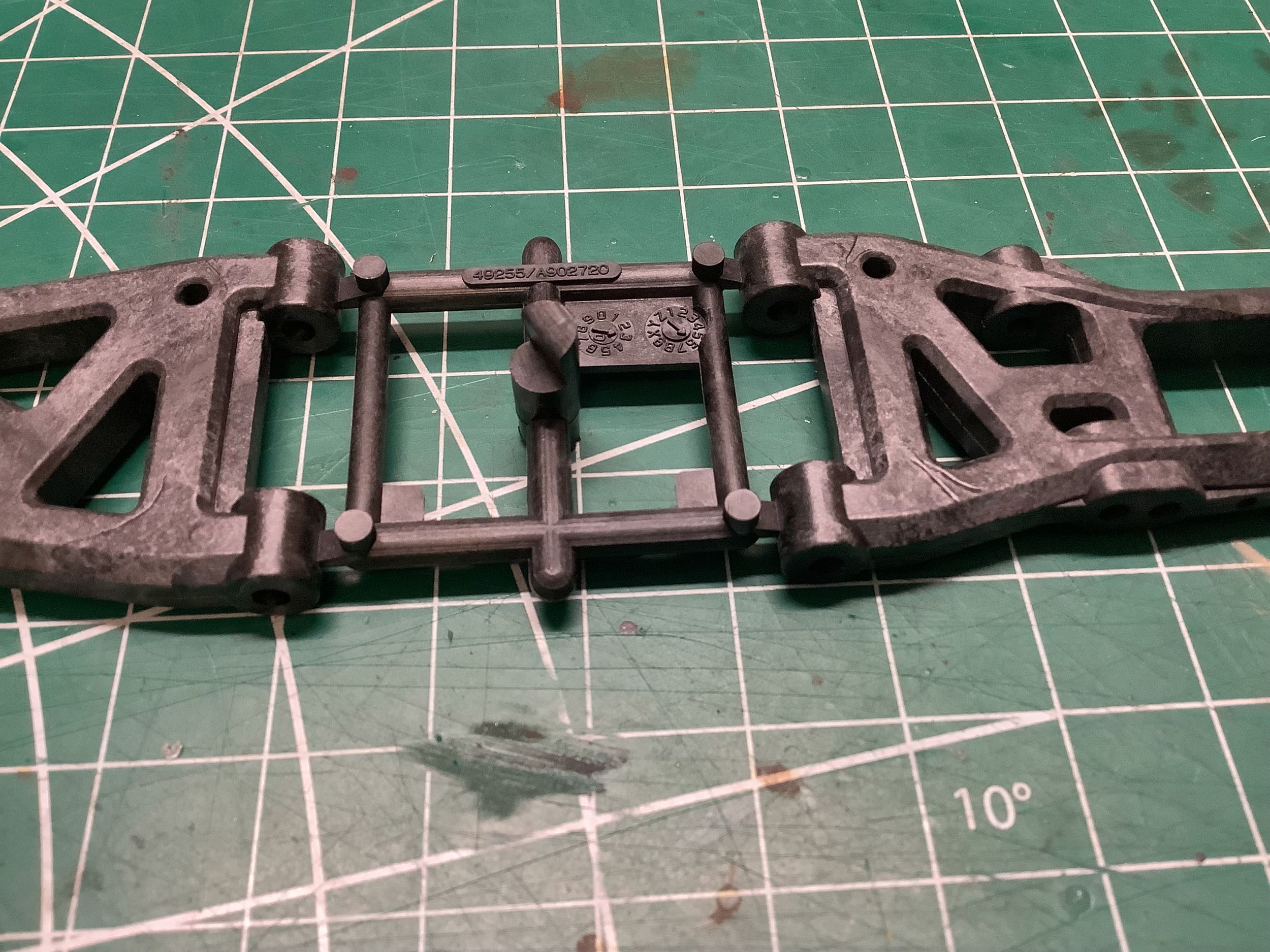
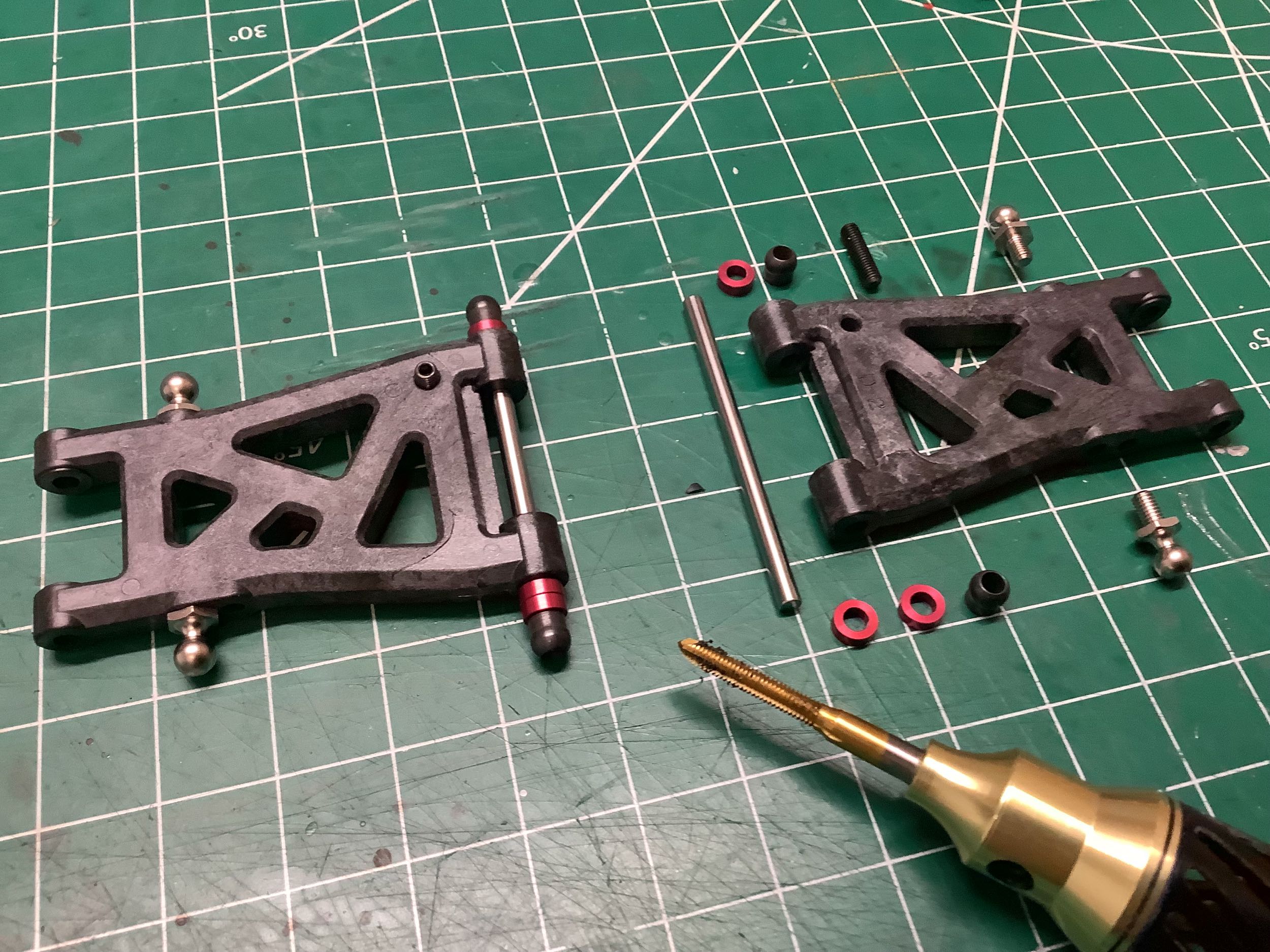
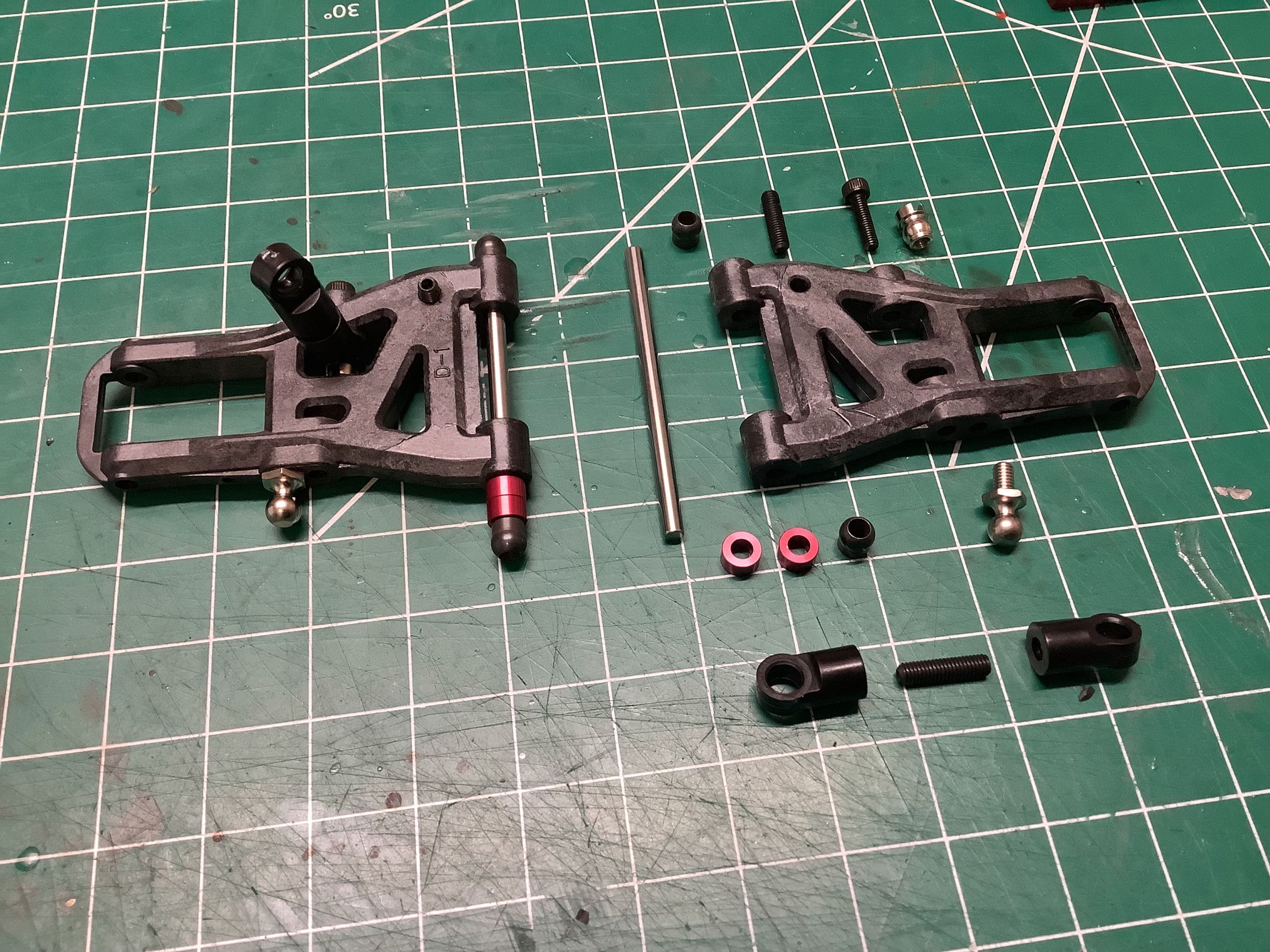
The lower suspension arms are stamped with 49255 which is the TRF 414M World Championship Edition.  The Evo III re-used these arms, but the Surikarn edition modifies them by including chopped carbon fiber in the formulation making them much stiffer.  One side effect of this is that any fastener holes in these arms need to be tapped since machine screws will not easily self tap in such hard material.


The left photo shows the assembly of the rear lower arms, while the right photo shows the front lower arms.  Note that the front arms already have the links for the sway bar attached.  Even the spacers are anodized in red.


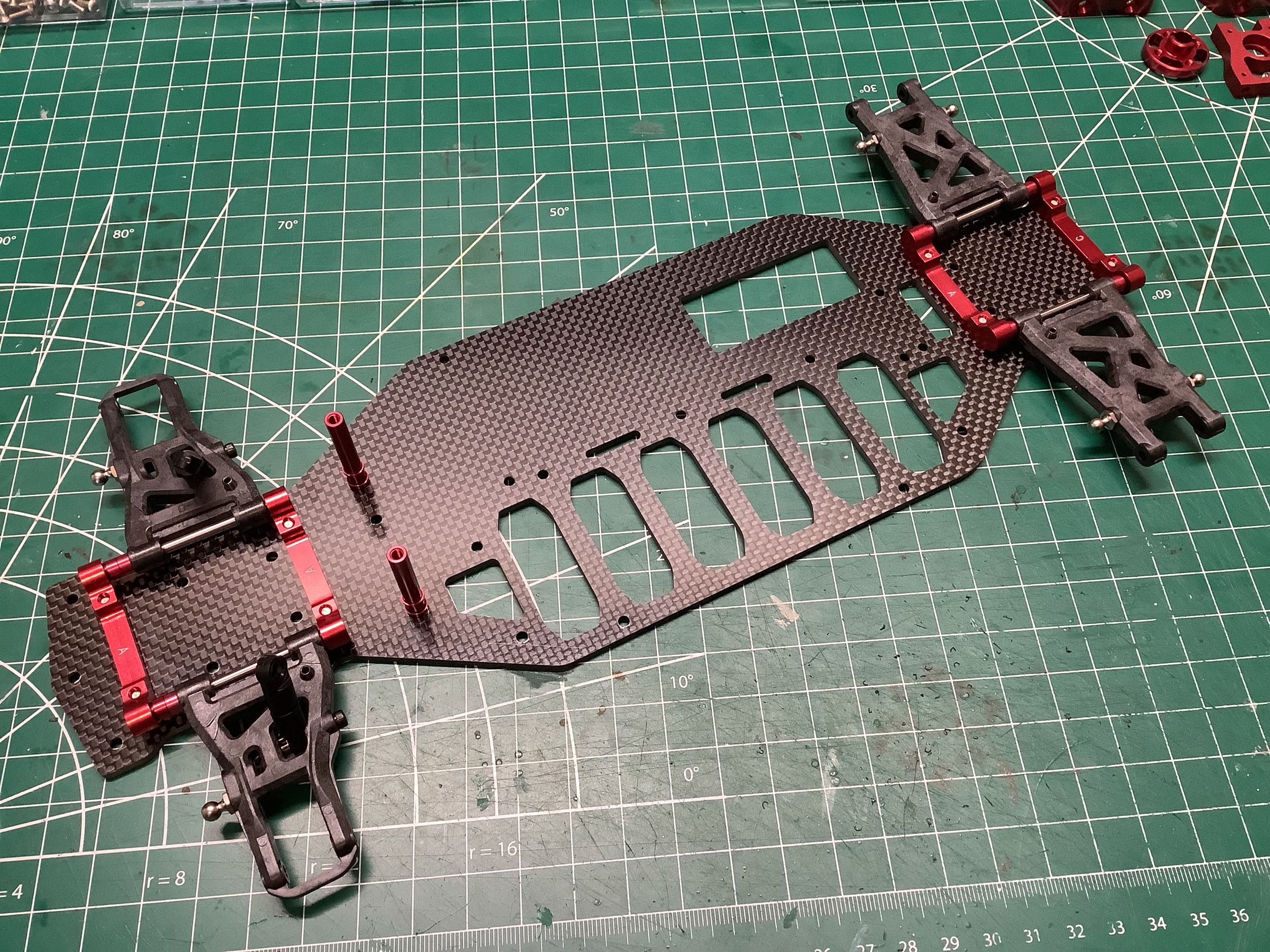
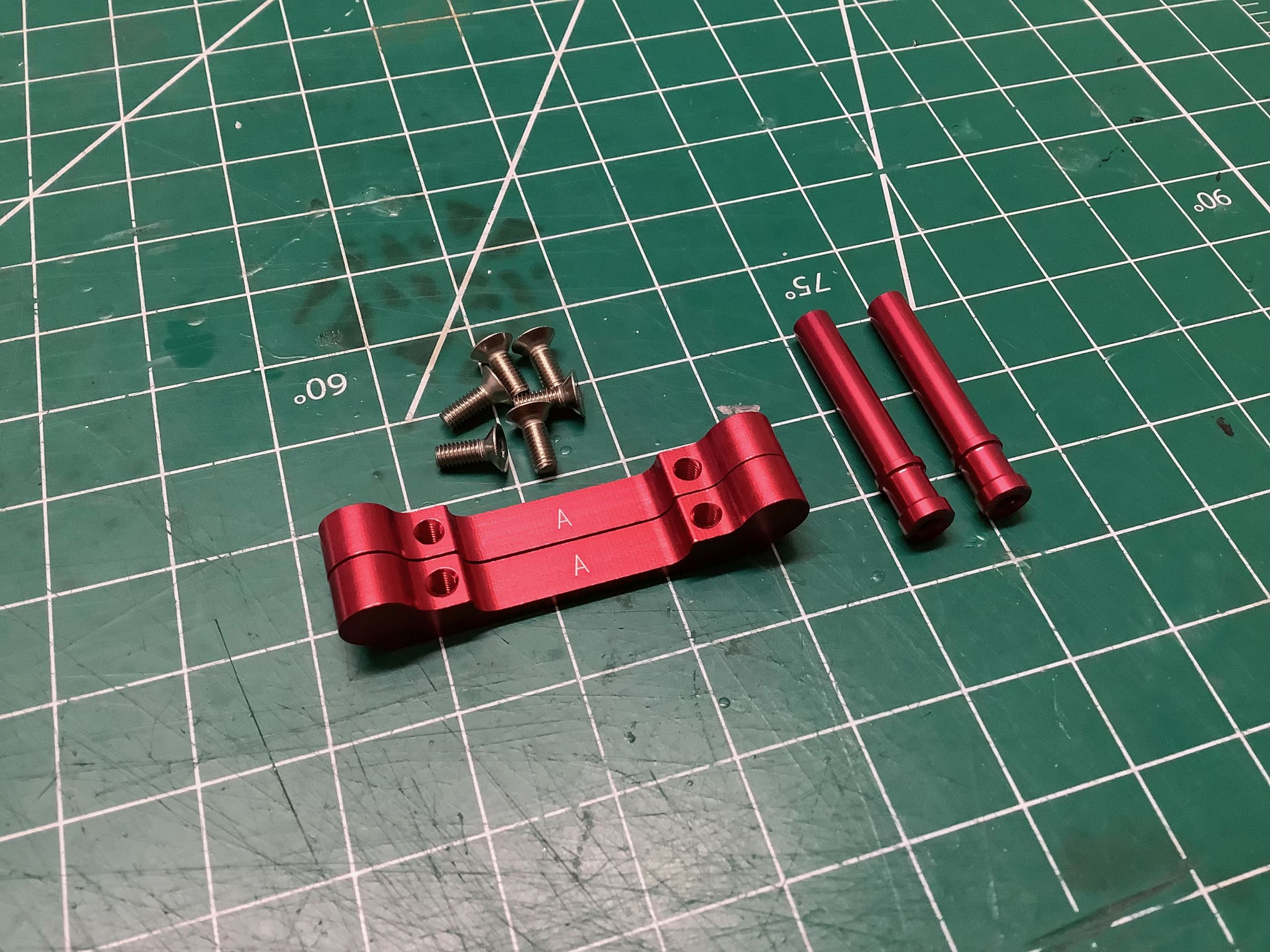
Here are the suspension mounts that enclose the front and rear lower arms.  Apart from the color, both the Evo III and the Surikarn Edition use the same part options.


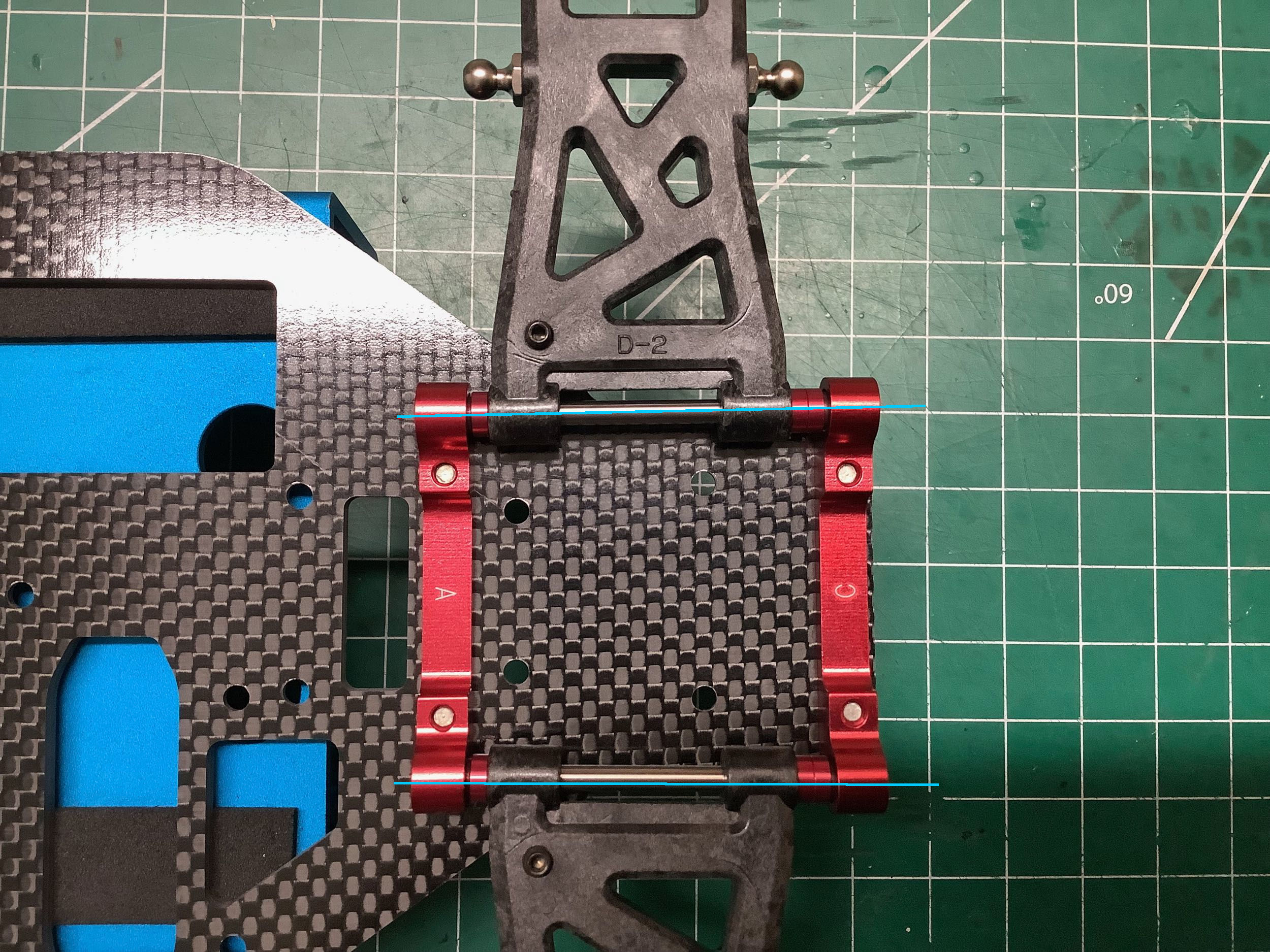
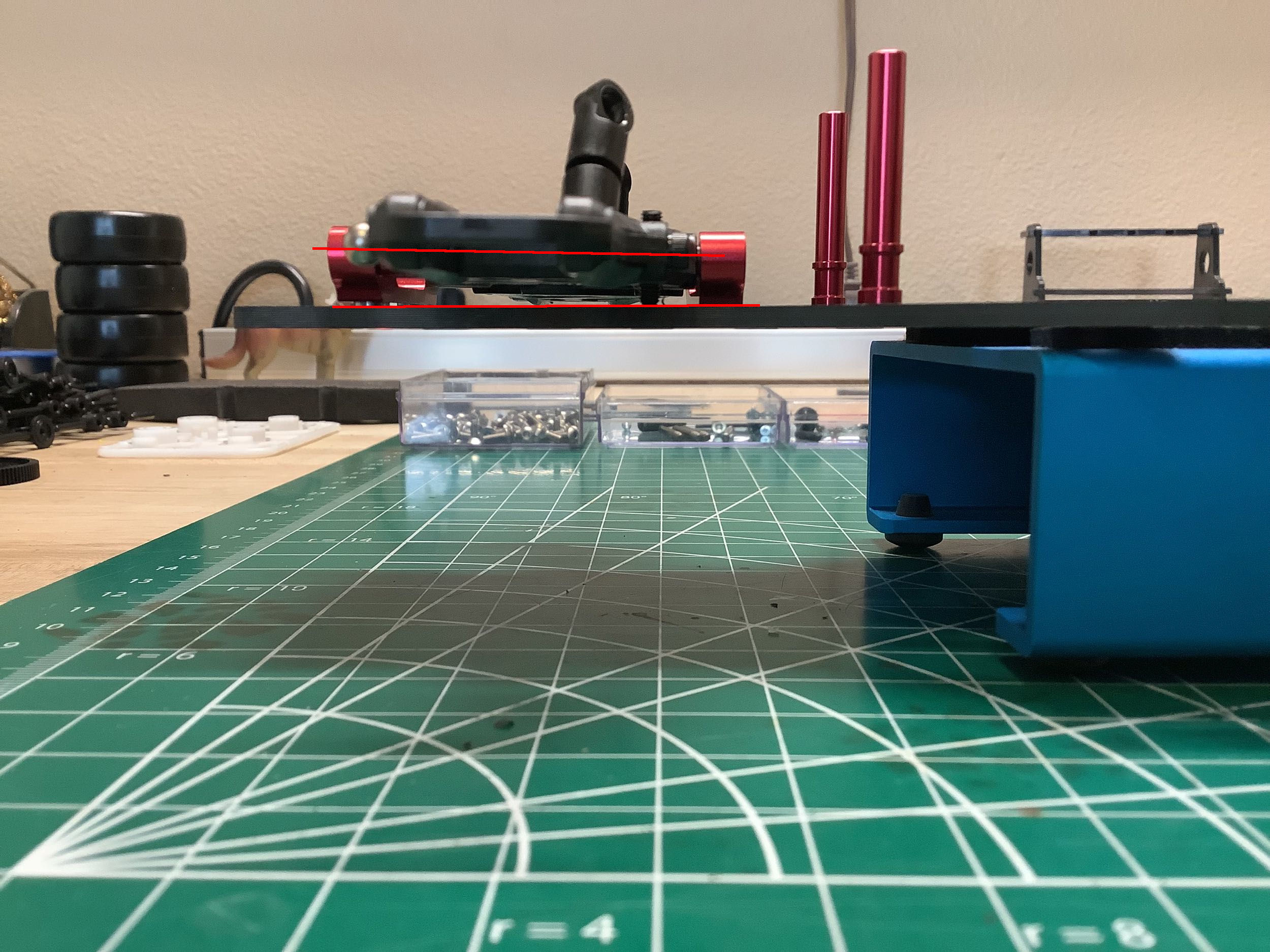
The front uses both A mounts, while the rear uses a combination of A and C which results in a 1° rear sweep angle.  The kit does include optional A, B, and D mounts for this position allowing from 0° to 1.5°.  There are also 0.7mm spacers under the front mount resulting in a 1.6° kick-up angle.


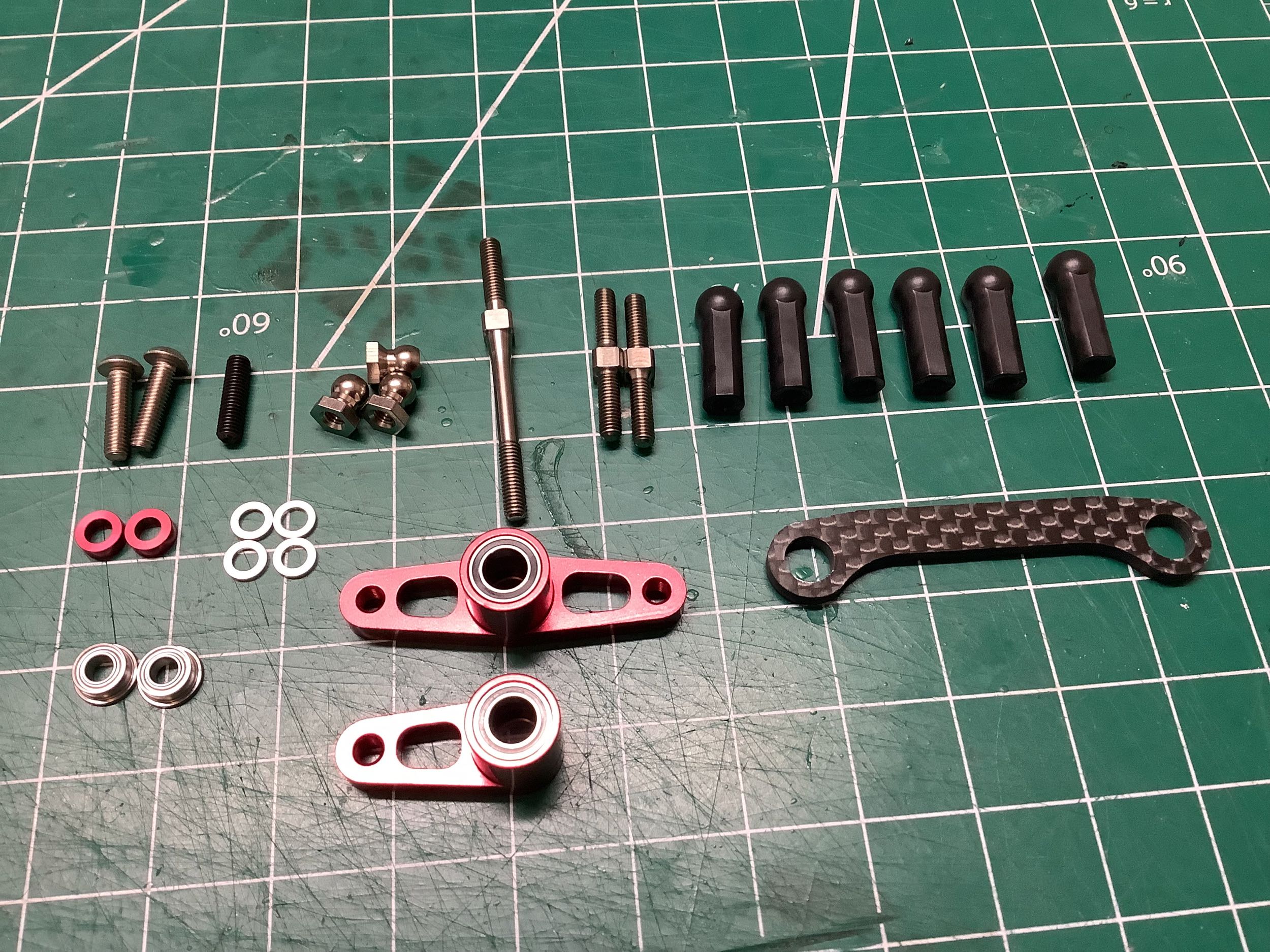
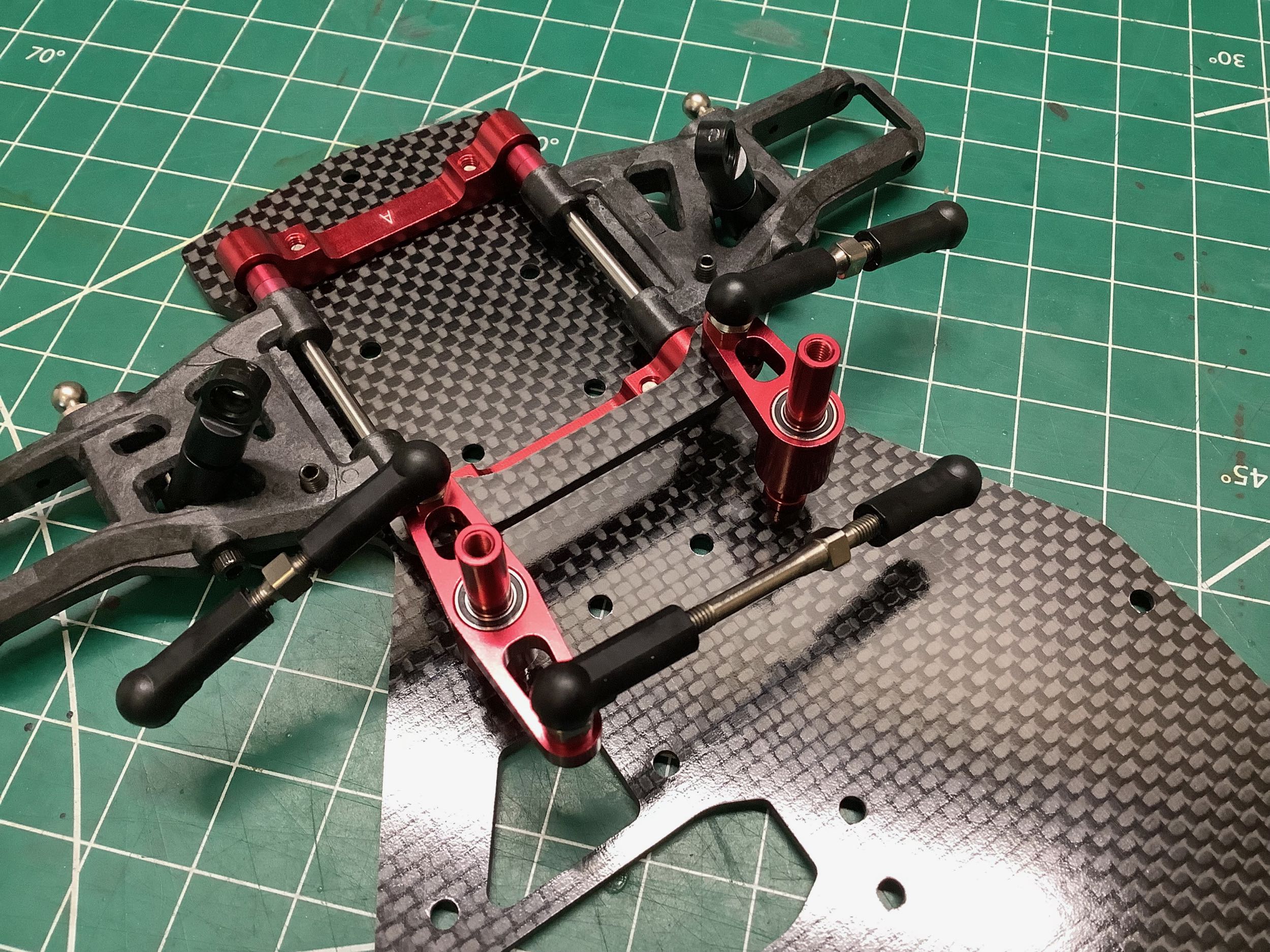
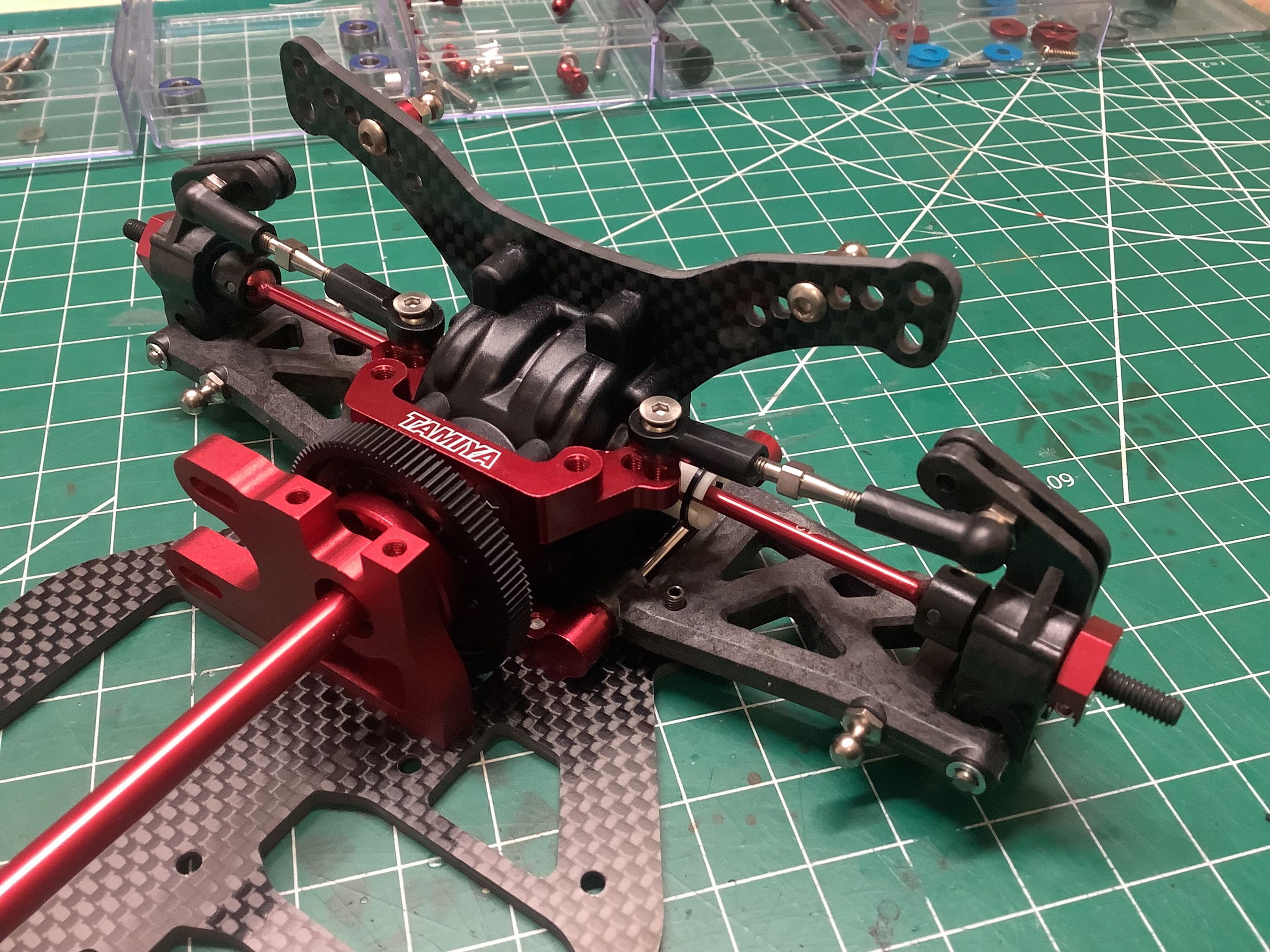
The Evo II used plastic steering cranks with a tie rod bridge, but the Evo III changes this to aluminum cranks with a carbon bridge.  All of the threaded rods from the Evo II have been upgraded to steel turnbuckles on the Evo III, and the Surikarn upgrades them further to titanium.


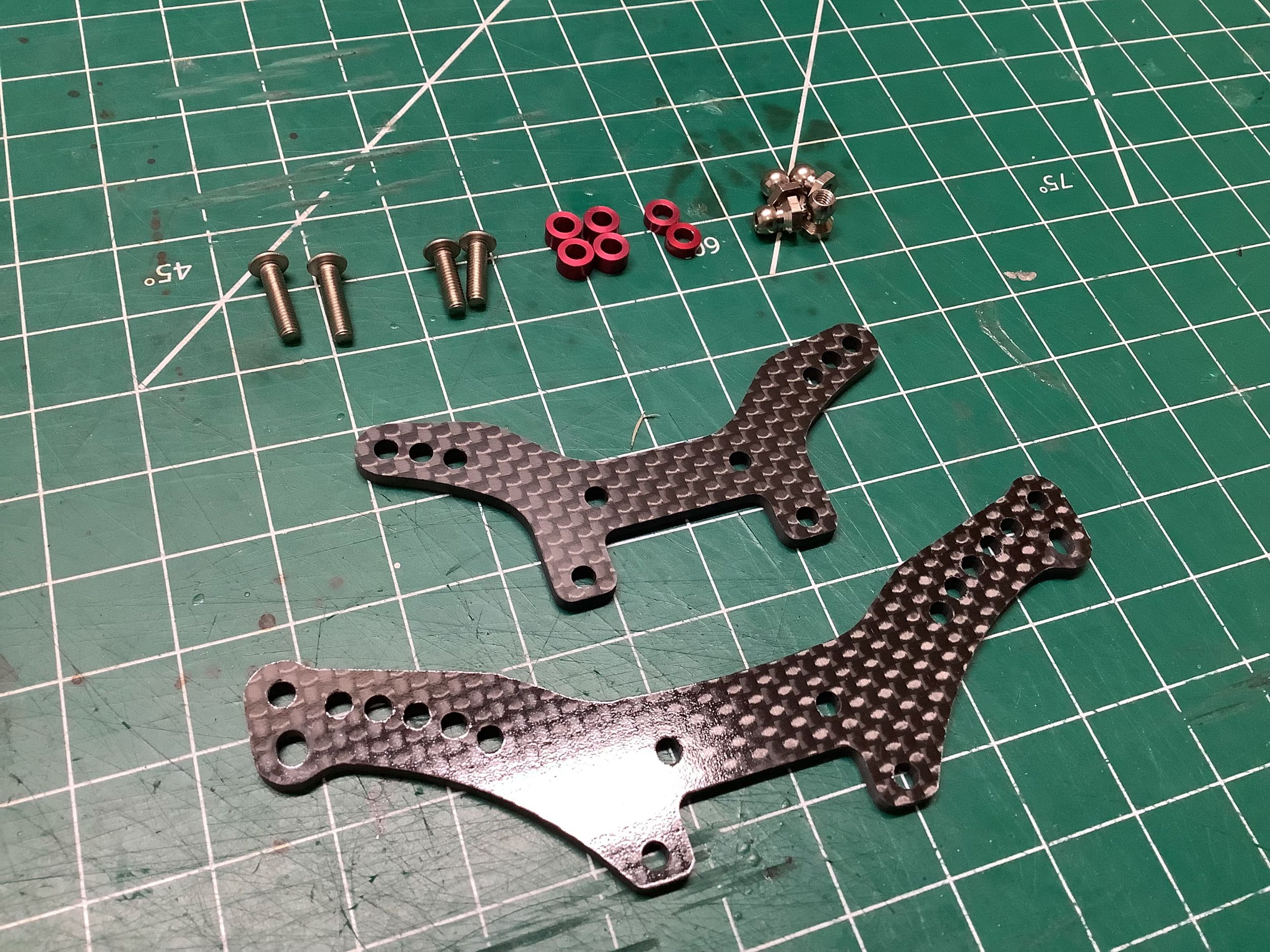
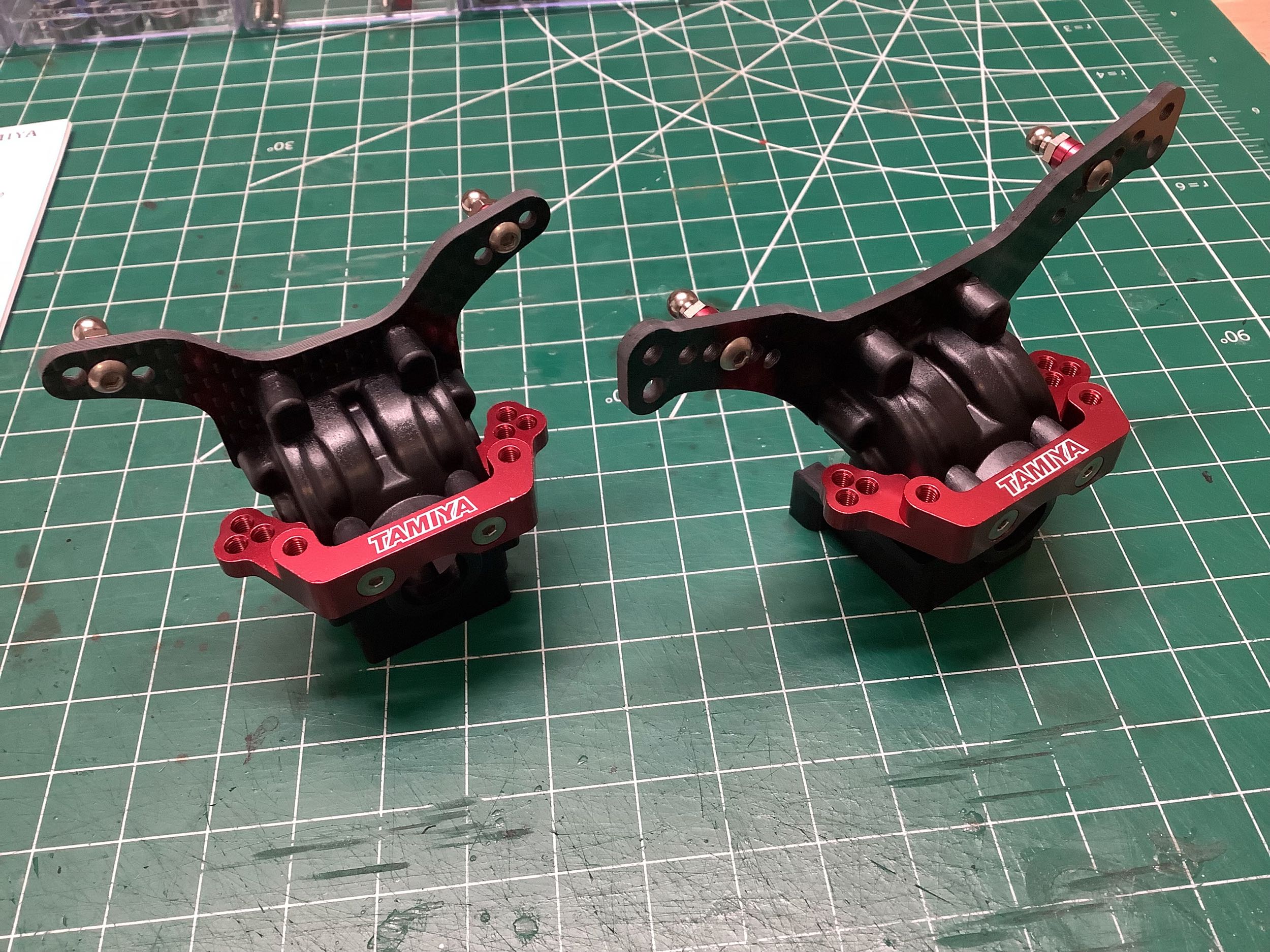
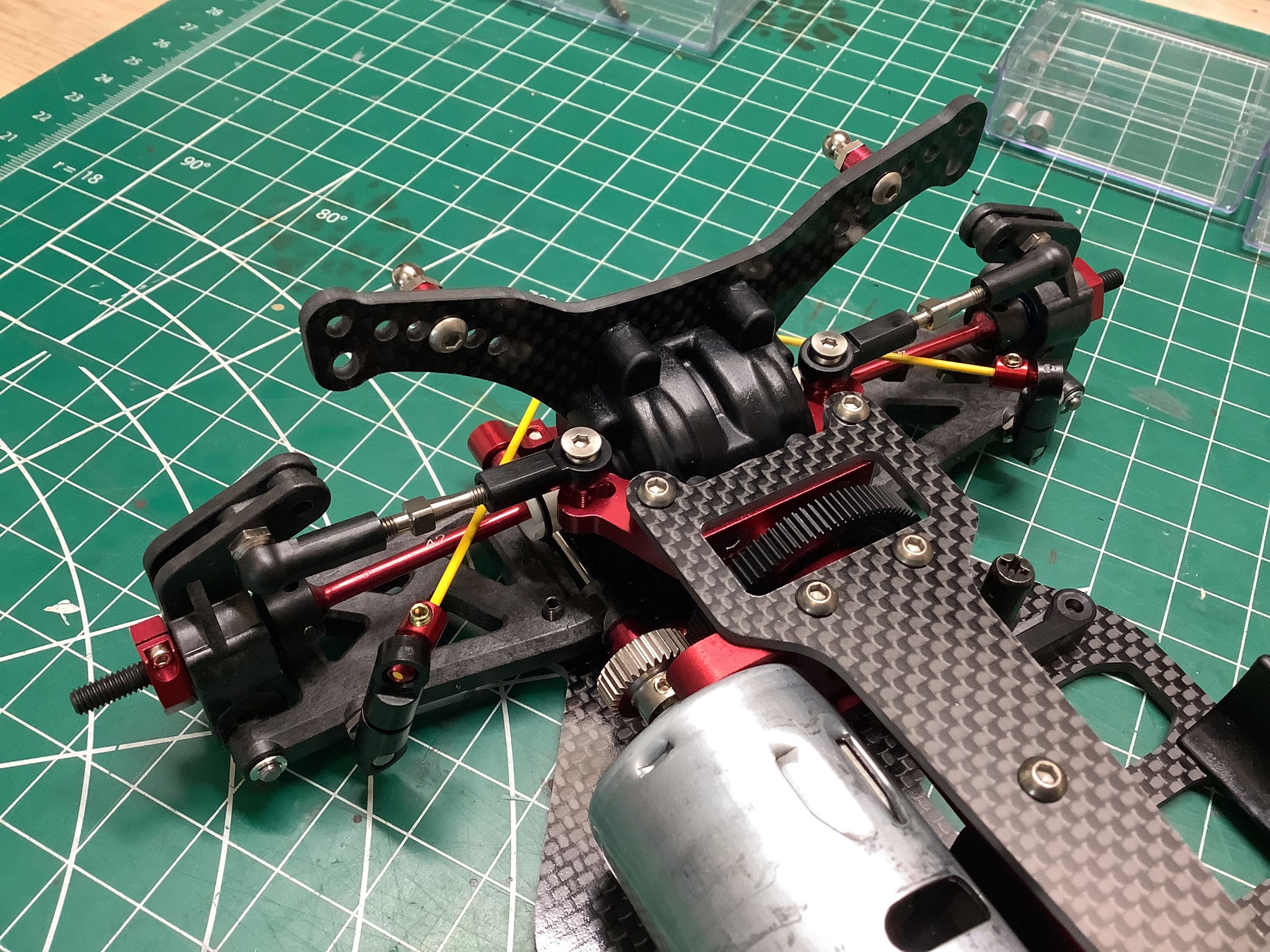
The carbon shock towers for the Surikarn Edition look totally different from those used on the regular Evo III, and the reason for that is the red aluminum parts shown on the right.  On the Evo III, the inboard end of the camber links attach to one of five optional holes in the shock tower.  The Surikarn Edition uses aluminum upper mounts instead with three optional hole locations, and that means the shock towers don't need any of those holes.  Not entirely sure why this is better, but I like the aluminum.  Those upper mounts also contain holes which support the upper deck, so maybe this adds stiffness to the chassis compared with using plastic.  The rear tower has also been modified to move the body mounts to the more outboard position.


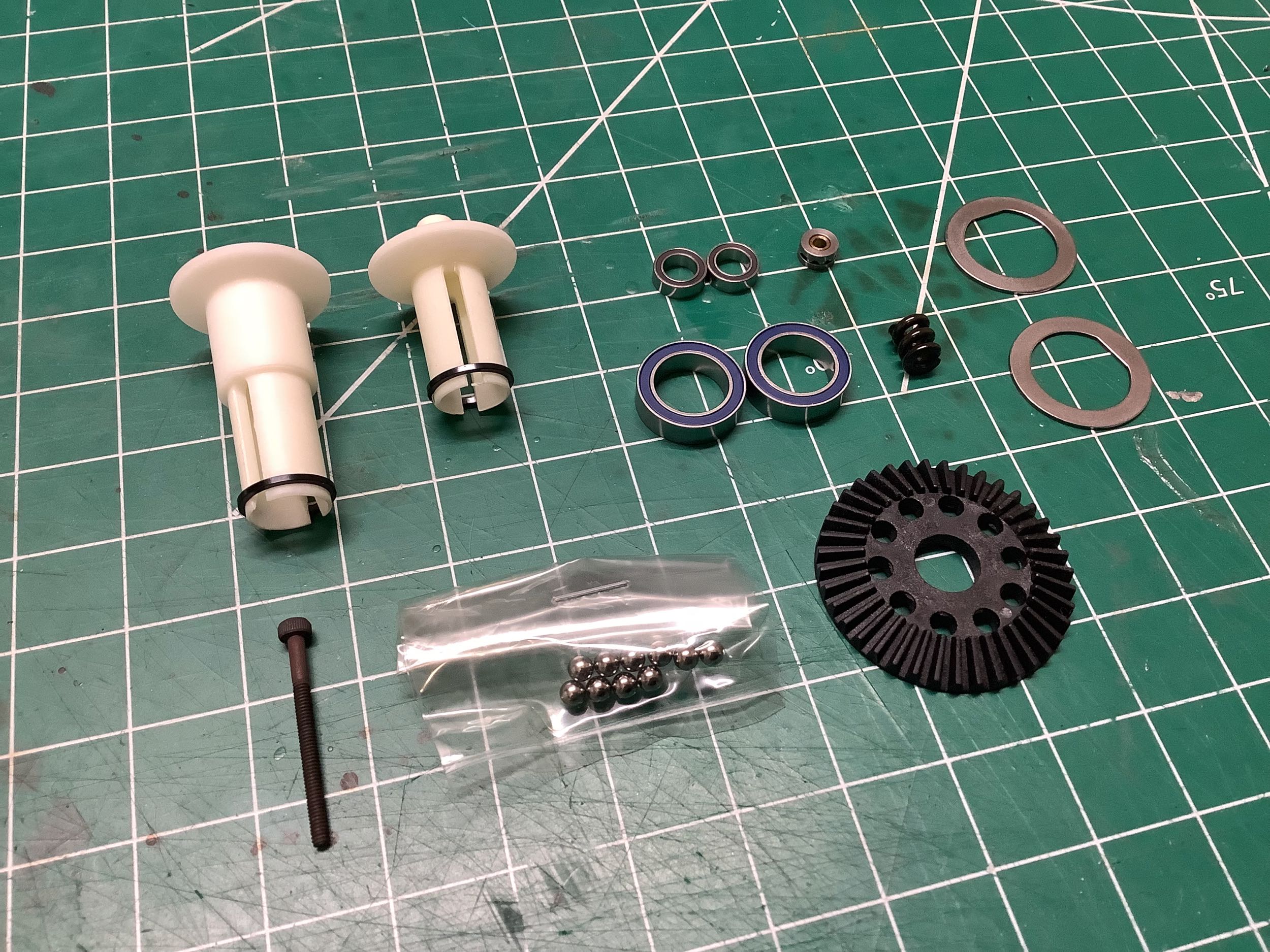
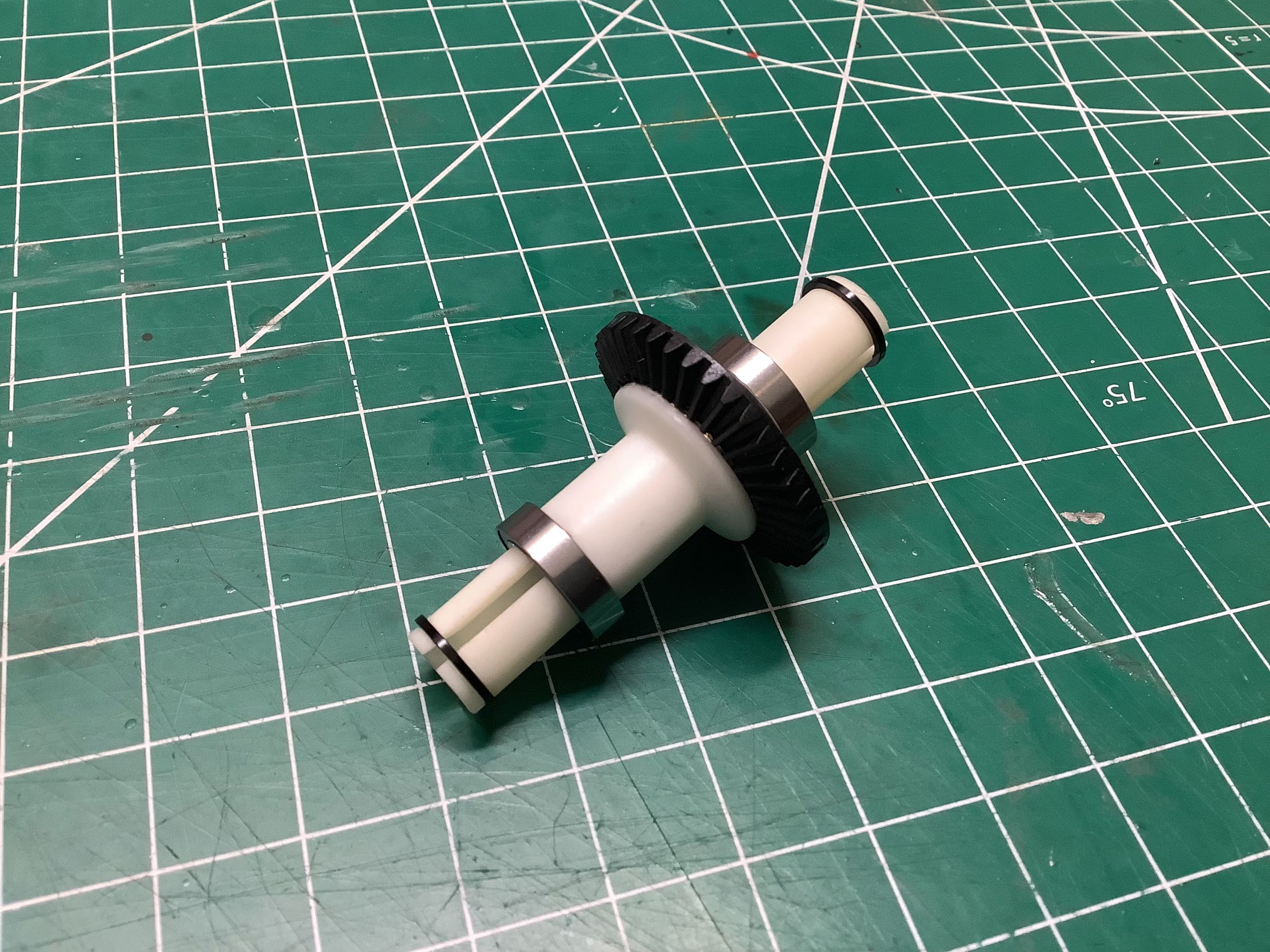
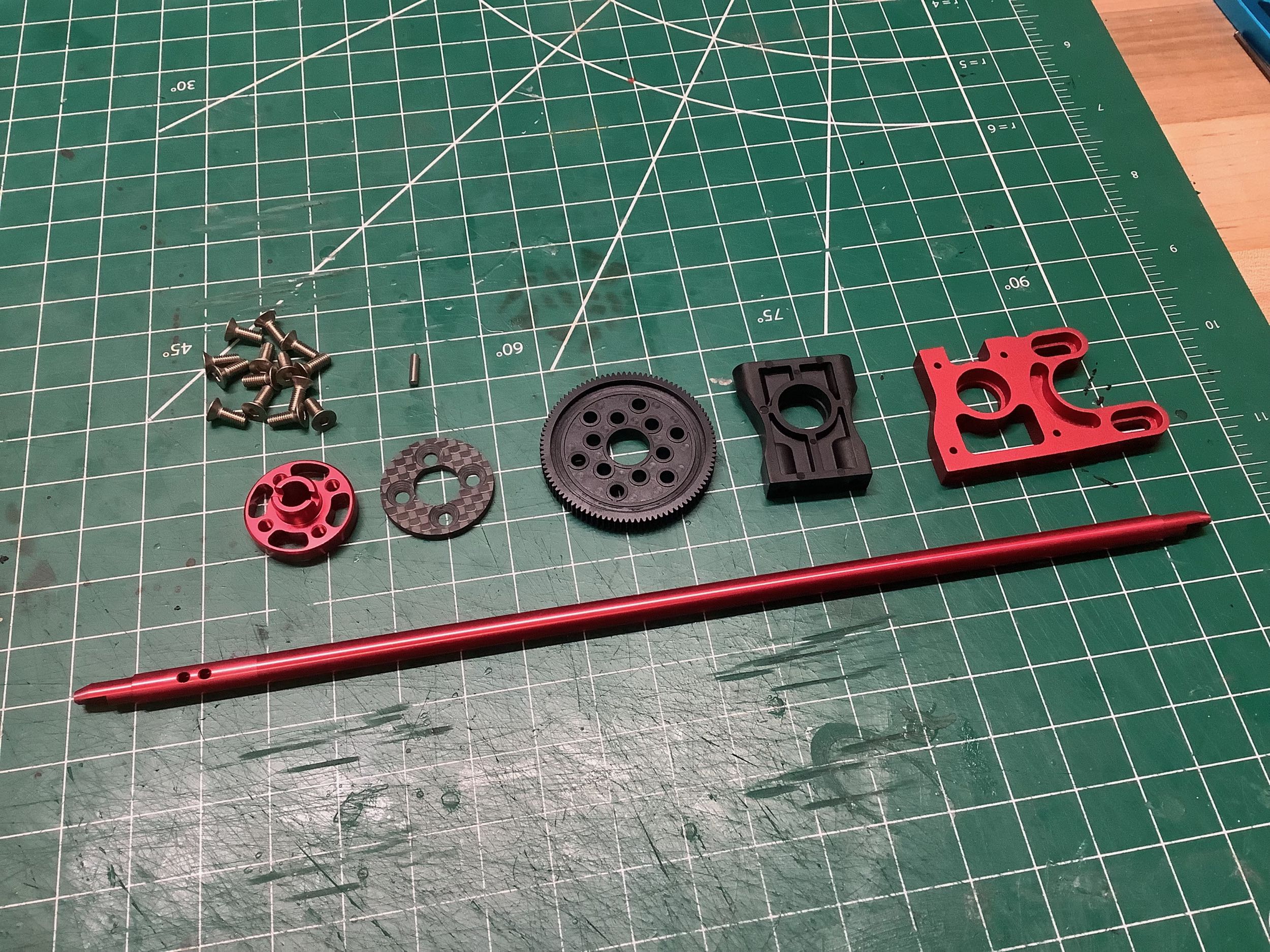
The rear ball differential has been changed completely compared to the Evo II.  The ring gear is the same, but the pressure plates are now Delrin with integral drive cups.  Because the dog bone would tend to force the plastic drive cup open, there is a reinforcing ring attached.  Using such a soft material to drive a dog bone seems like a bad idea.  I don't think they would last very long before showing substantial wear.


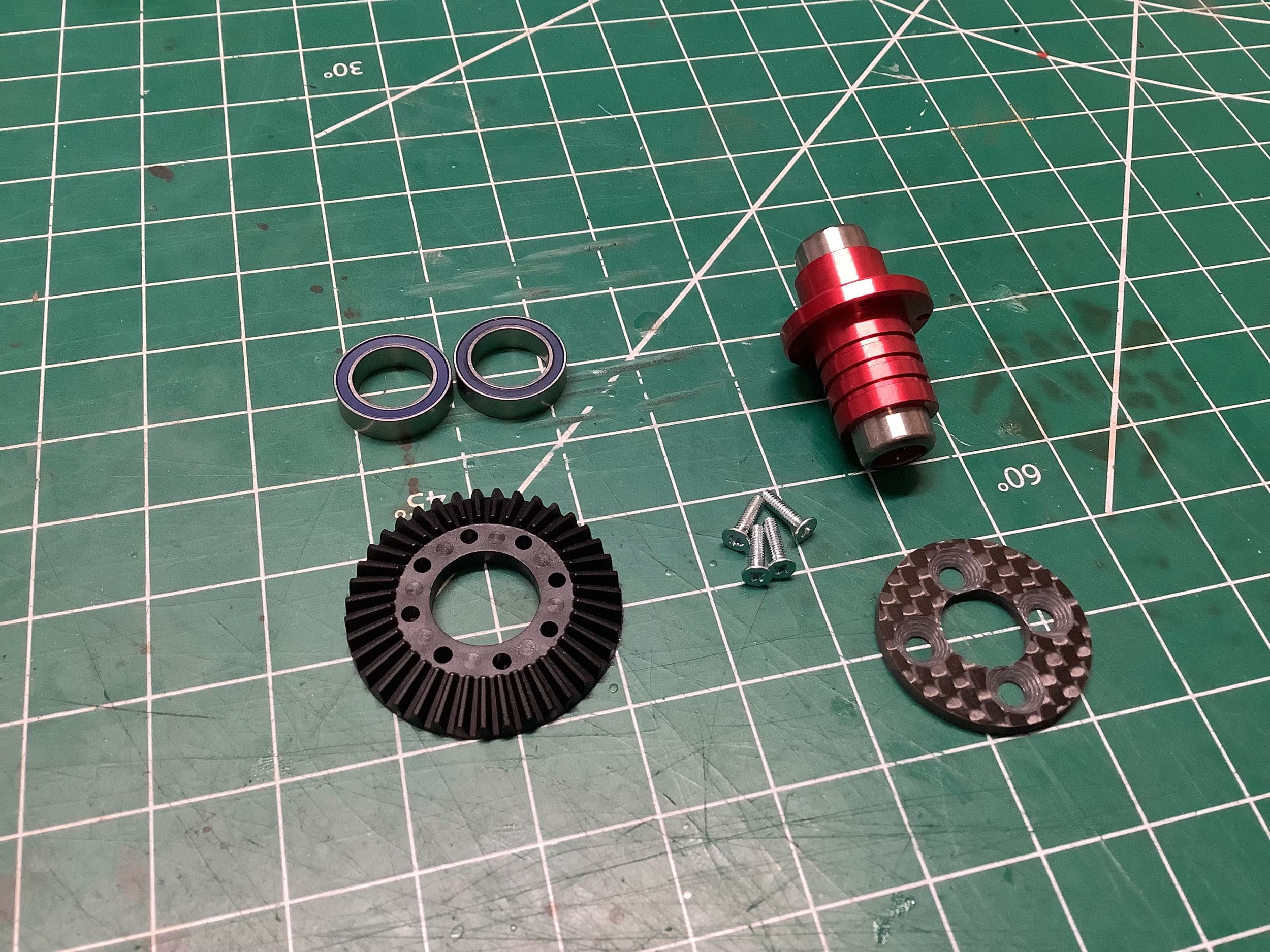
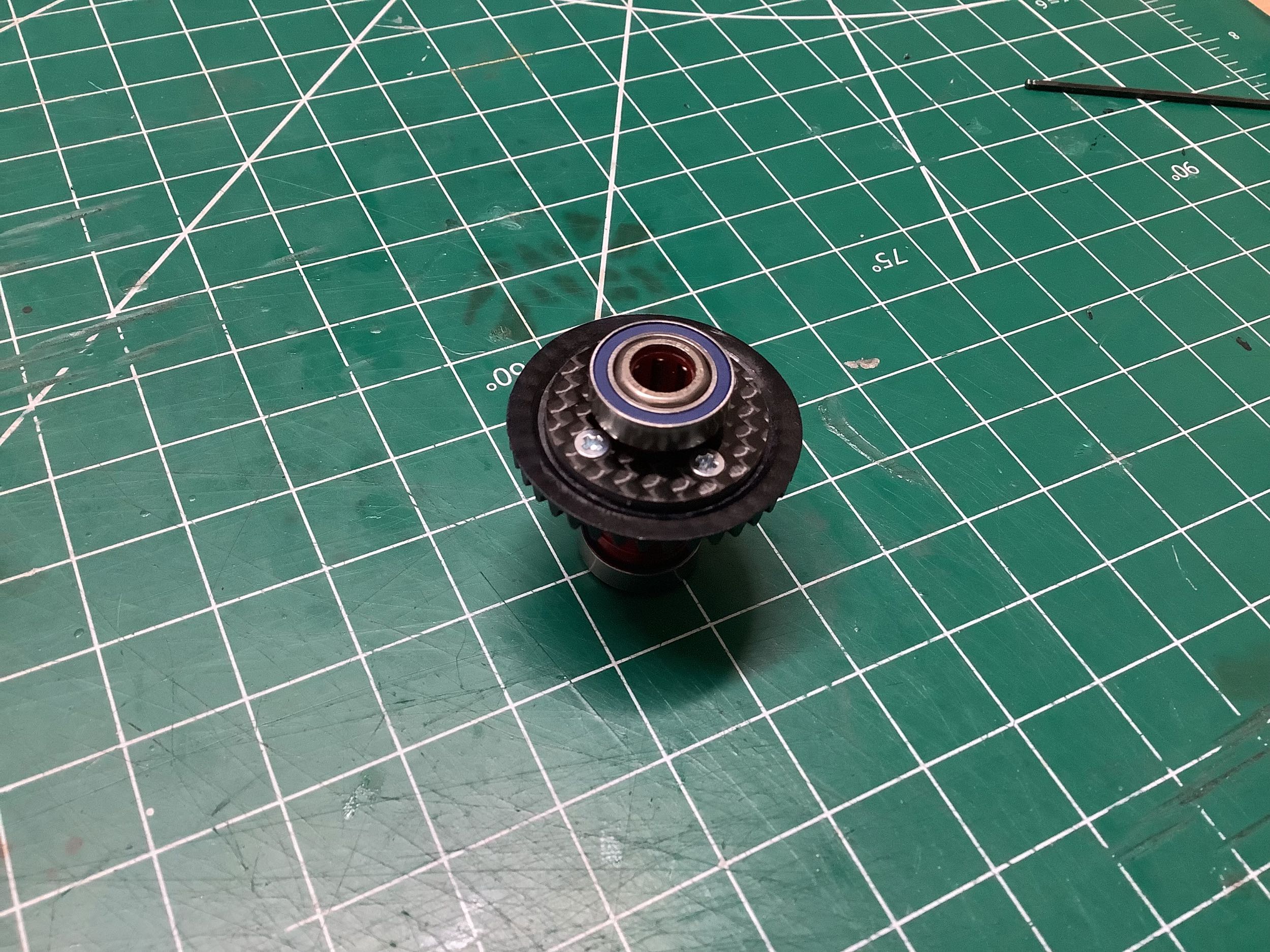
The way the front one way goes together has also changed completely with an aluminum cartridge holding the one-way bearings.  The Surikarn Edition adds a carbon backing plate which I can't imagine has any relevant function.  Perhaps it reinforces the holes in the plastic ring gear in very high power conditions.  Note that the nice red anodized part will be completely hidden once assembled.


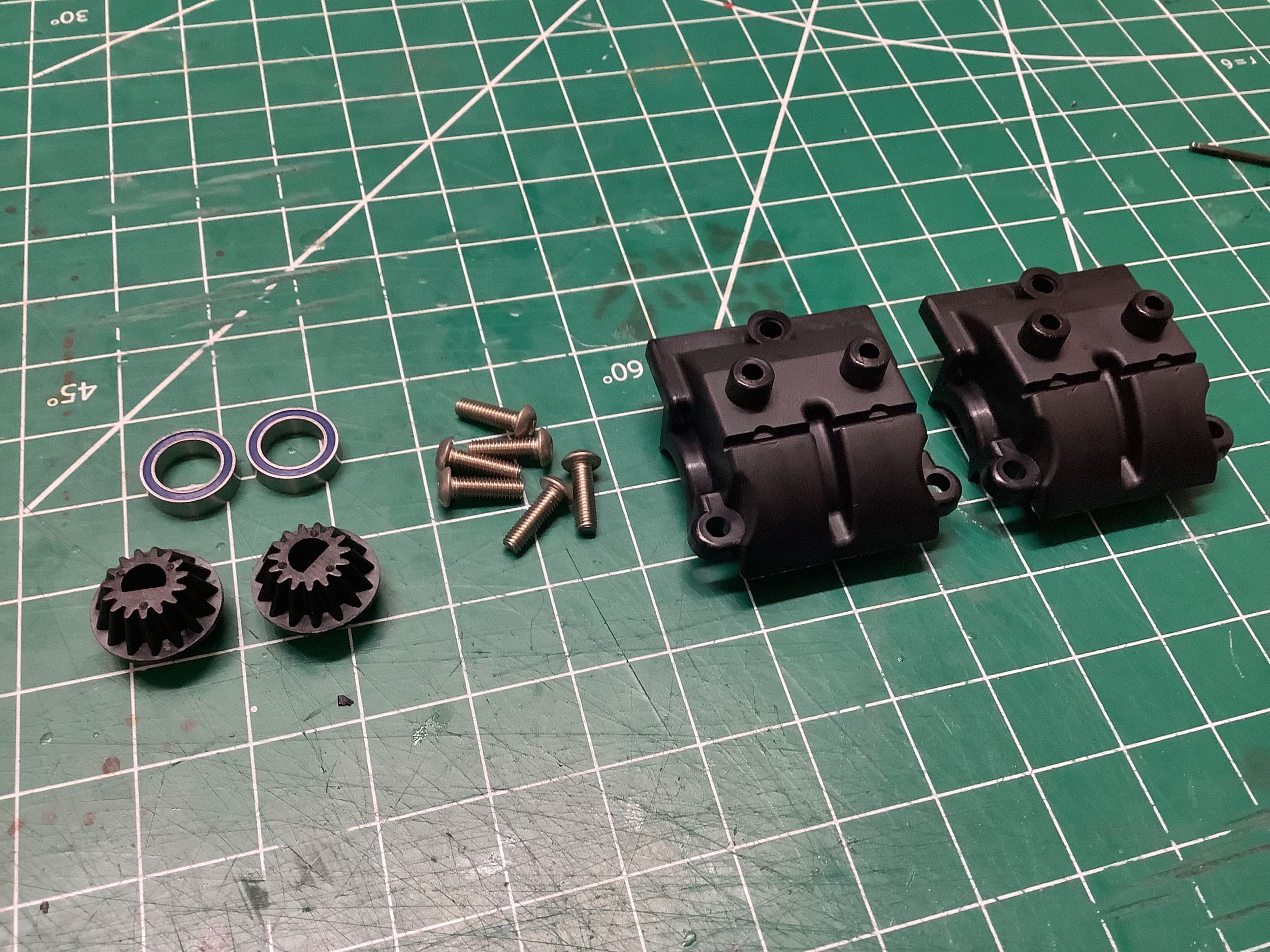
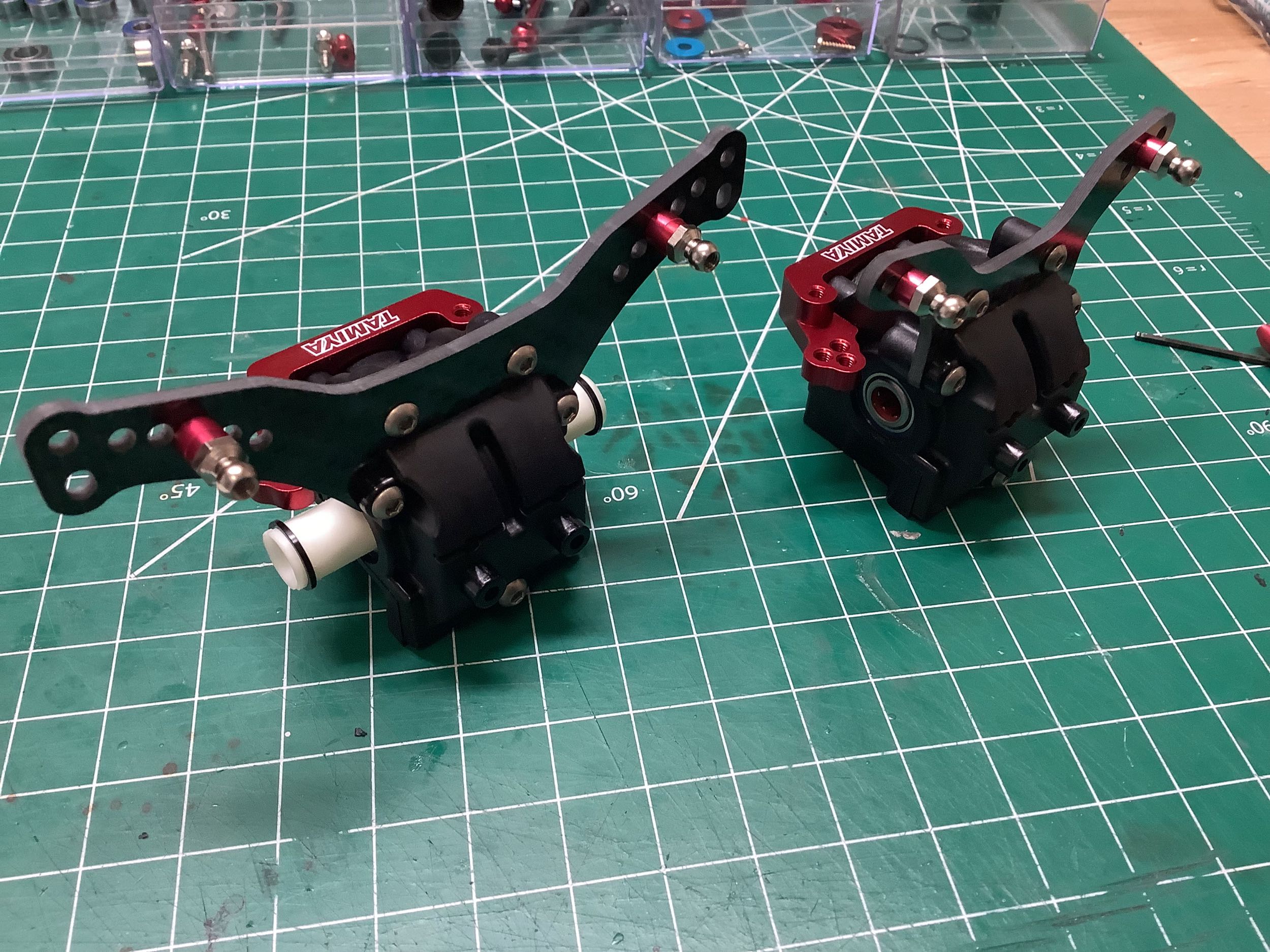
The Evo II used plastic gearbox housings with aluminum bulkheads.  The Evo III completely eliminates the bulkheads using new plastic gearbox housings which bolt directly to the chassis.


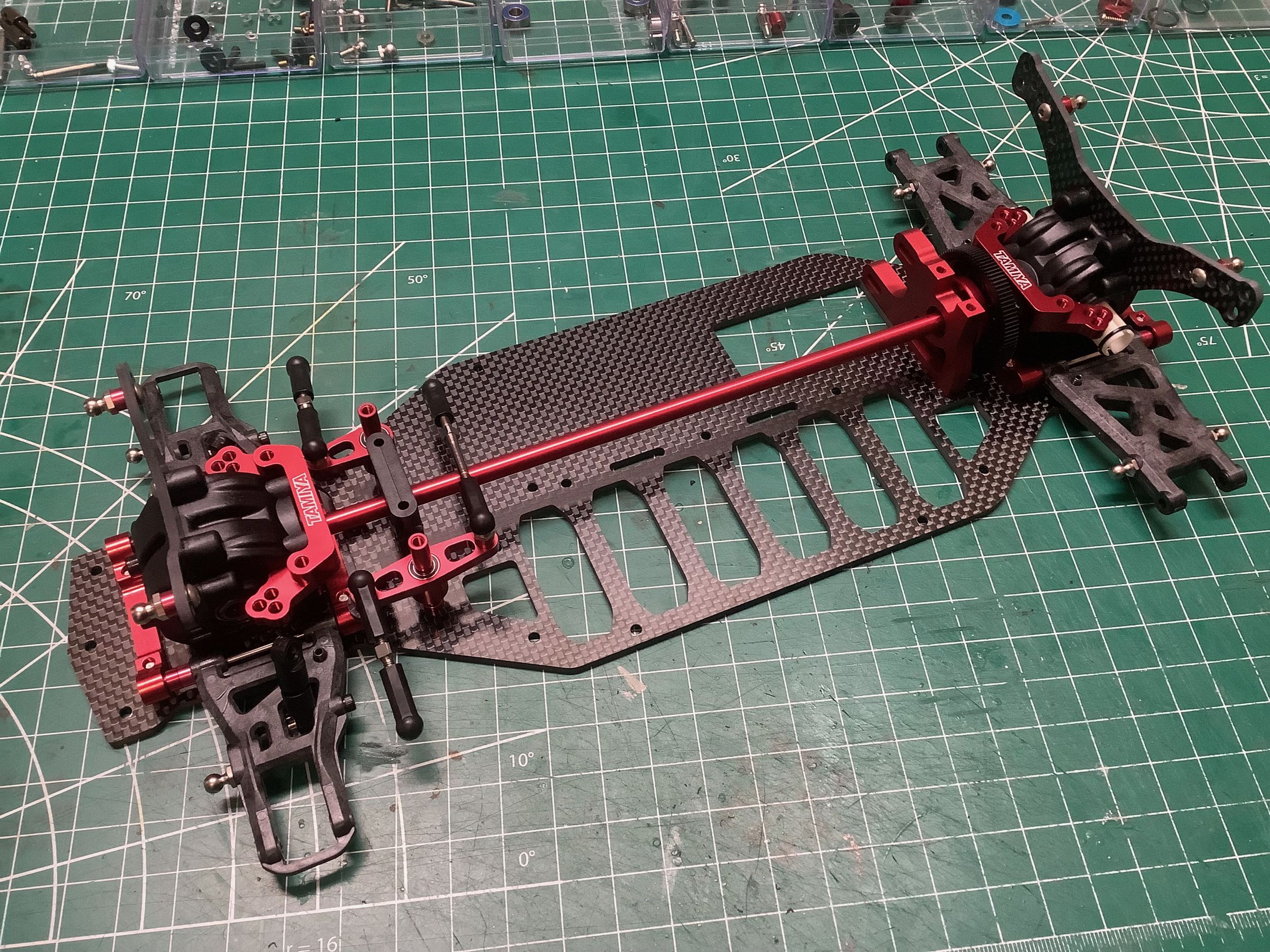
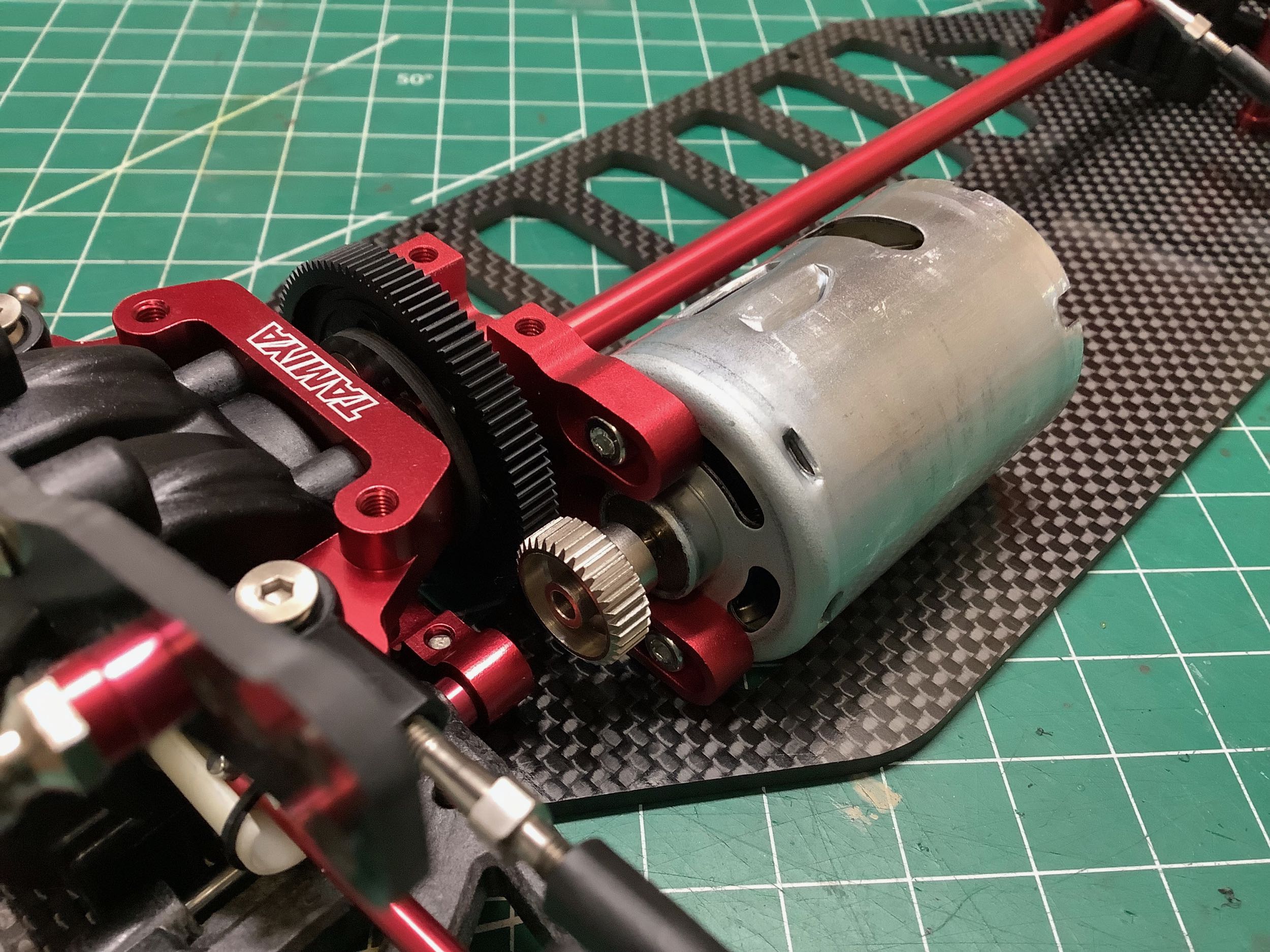
Time to make this thing as red as possible.  This is the hardest step in the build because the motor mount, drive shaft, and gearboxes need to lowered onto the chassis plate as a unit without letting the drive pin for the spur gear fall out.  It's quite a delicate operation.  Once it's done, this is really starting to look like a chassis.


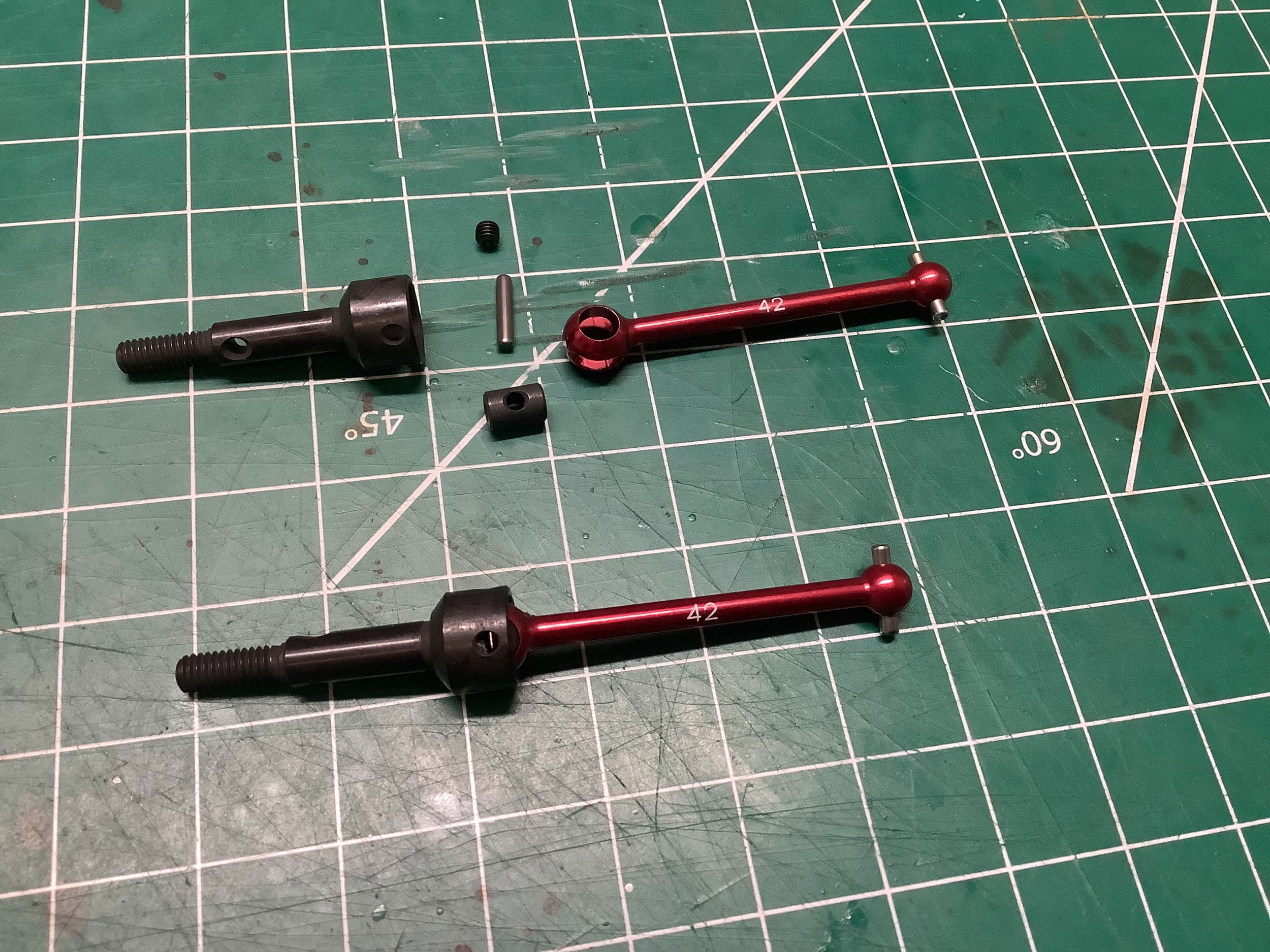
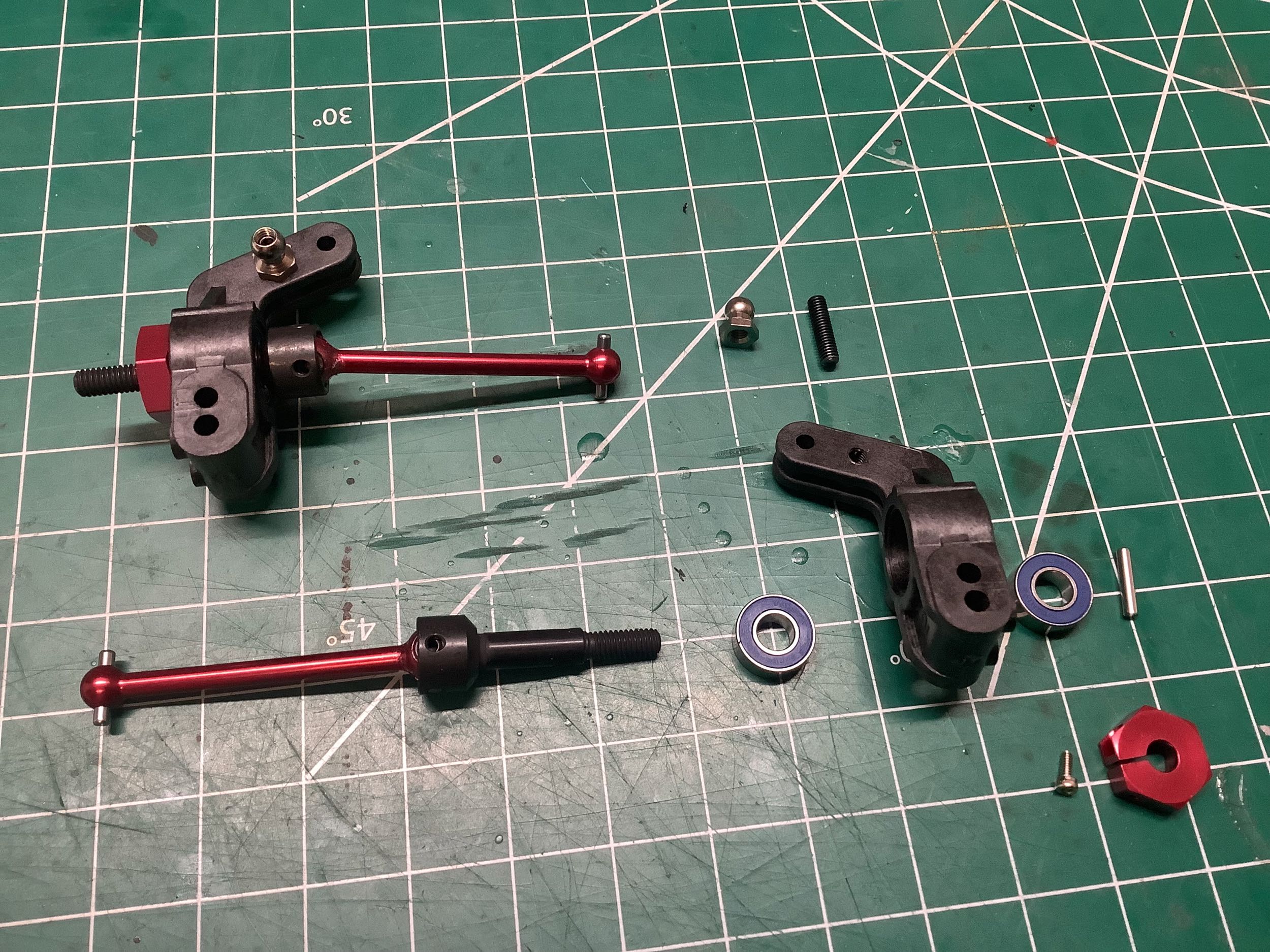
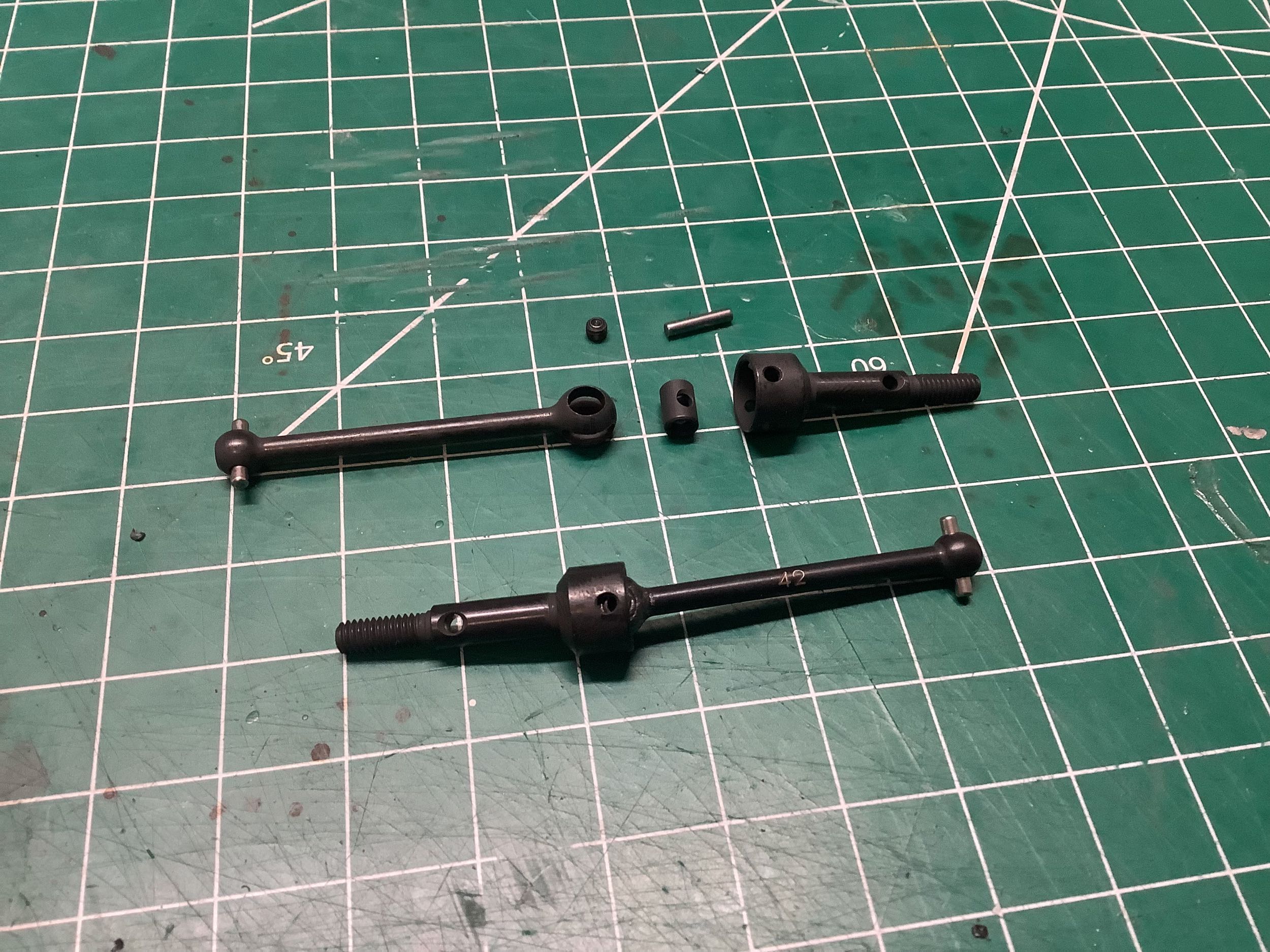
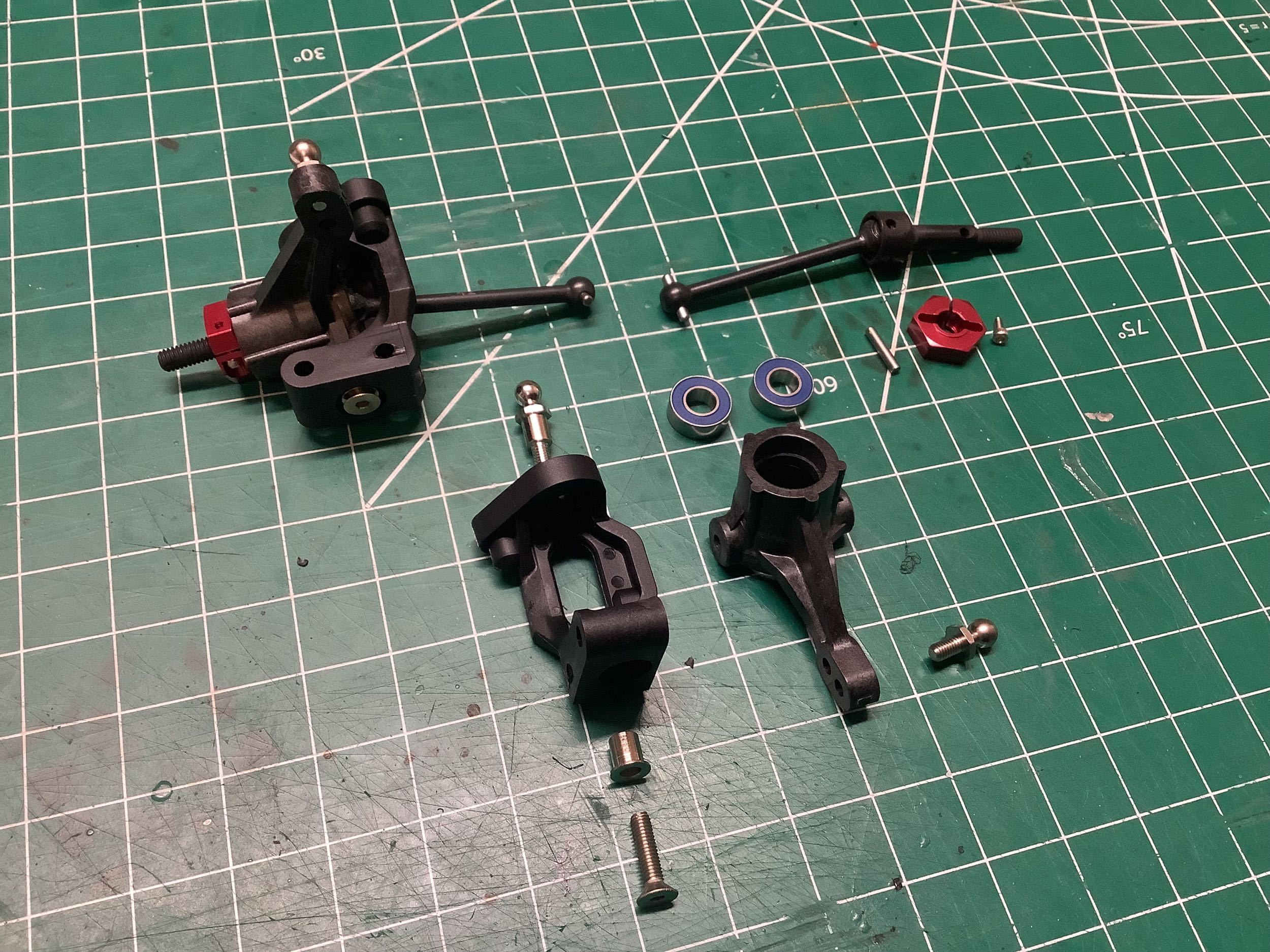
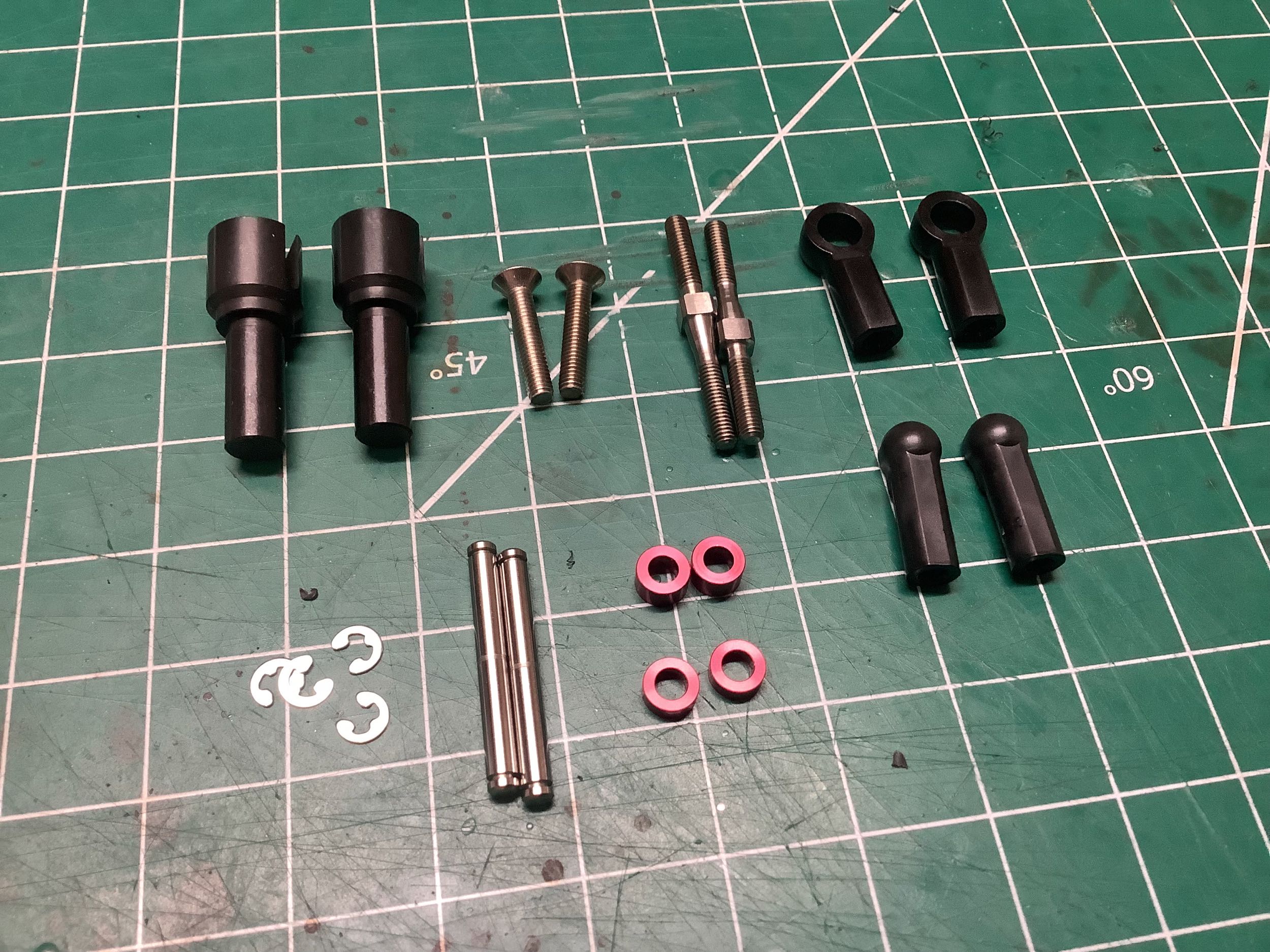
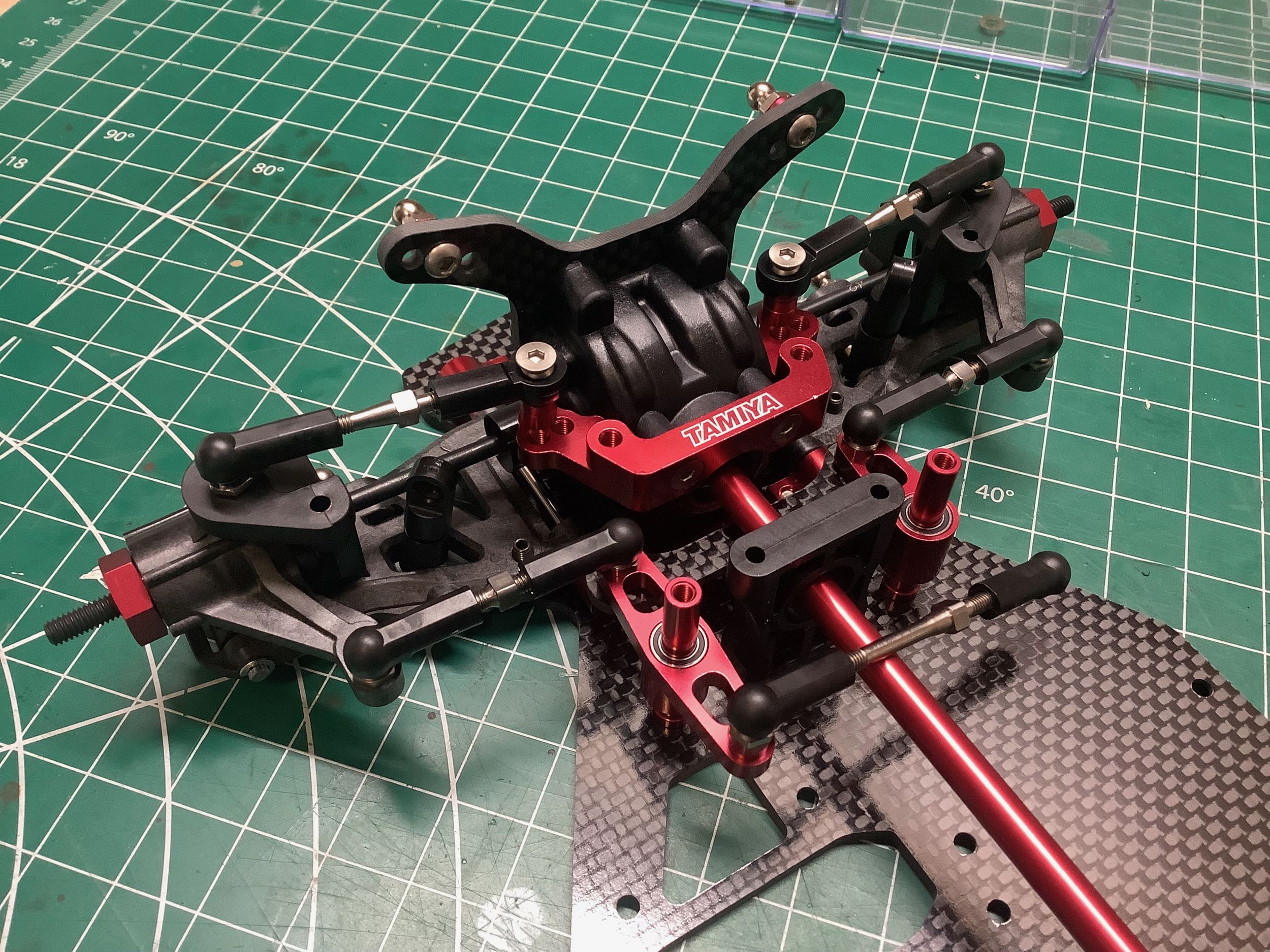
Front and rear use CVD style axles, but while the Evo III uses all steel, the Surikarn uses lightweight aluminum axles in the rear as shown.  These are installed into the uprights with rubber sealed bearings.  The 12mm locking hexes are red.


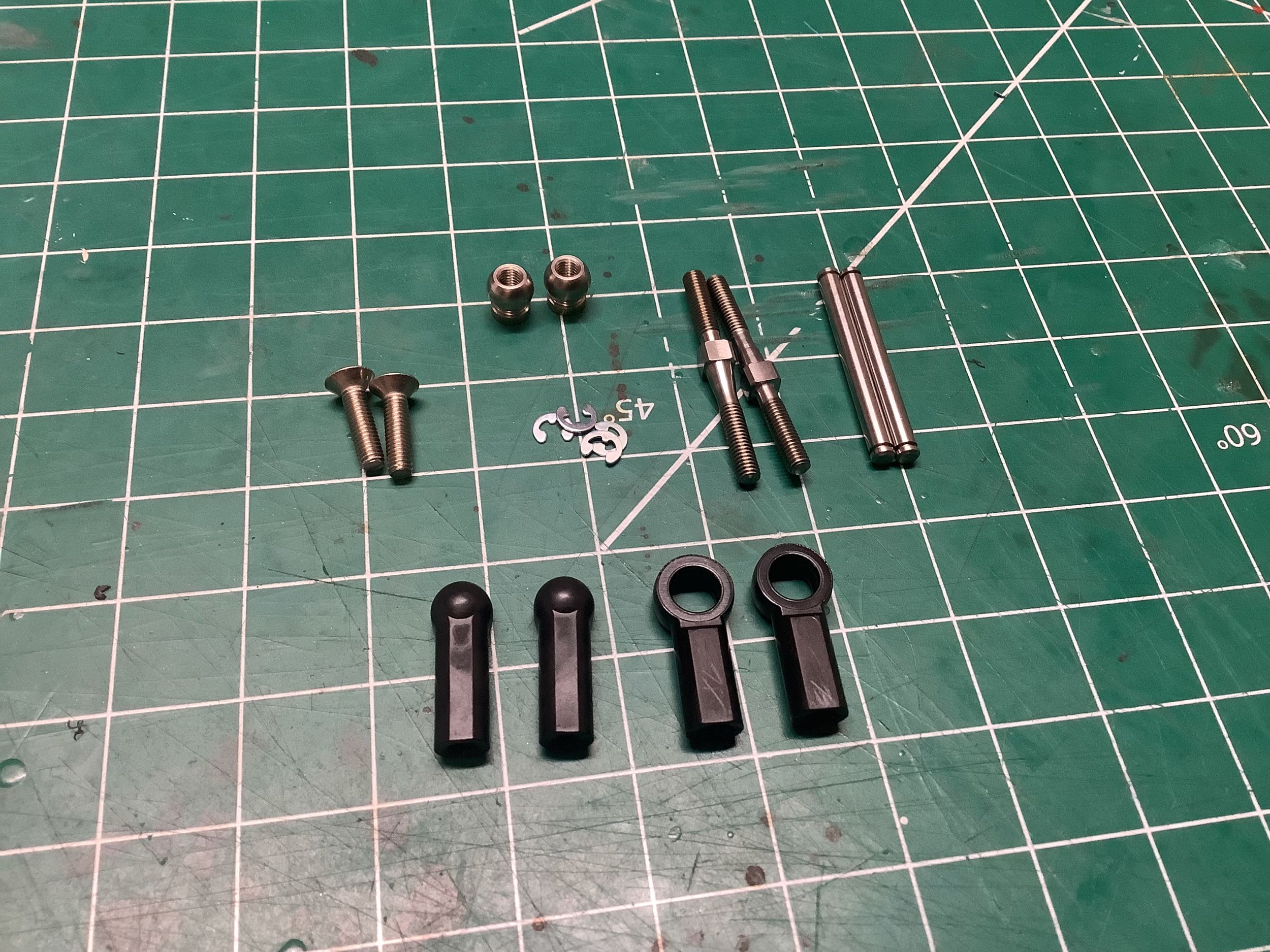
The camber links are now titanium turnbuckles, and the hinge pins use E-clips.  The regular Evo III uses 5mm adjusters at both ends, but the Surikarn uses 6mm adjusters from the TRF414 at the inner end.


The front end uses steel CVD axles.  The plastic front suspension and steering parts are from the TRF 414 series.


The front drive cups are solid steel and very heavy, which seems to work against the fancy titanium hardware.  The radius arm holes on the C-hubs are not used.


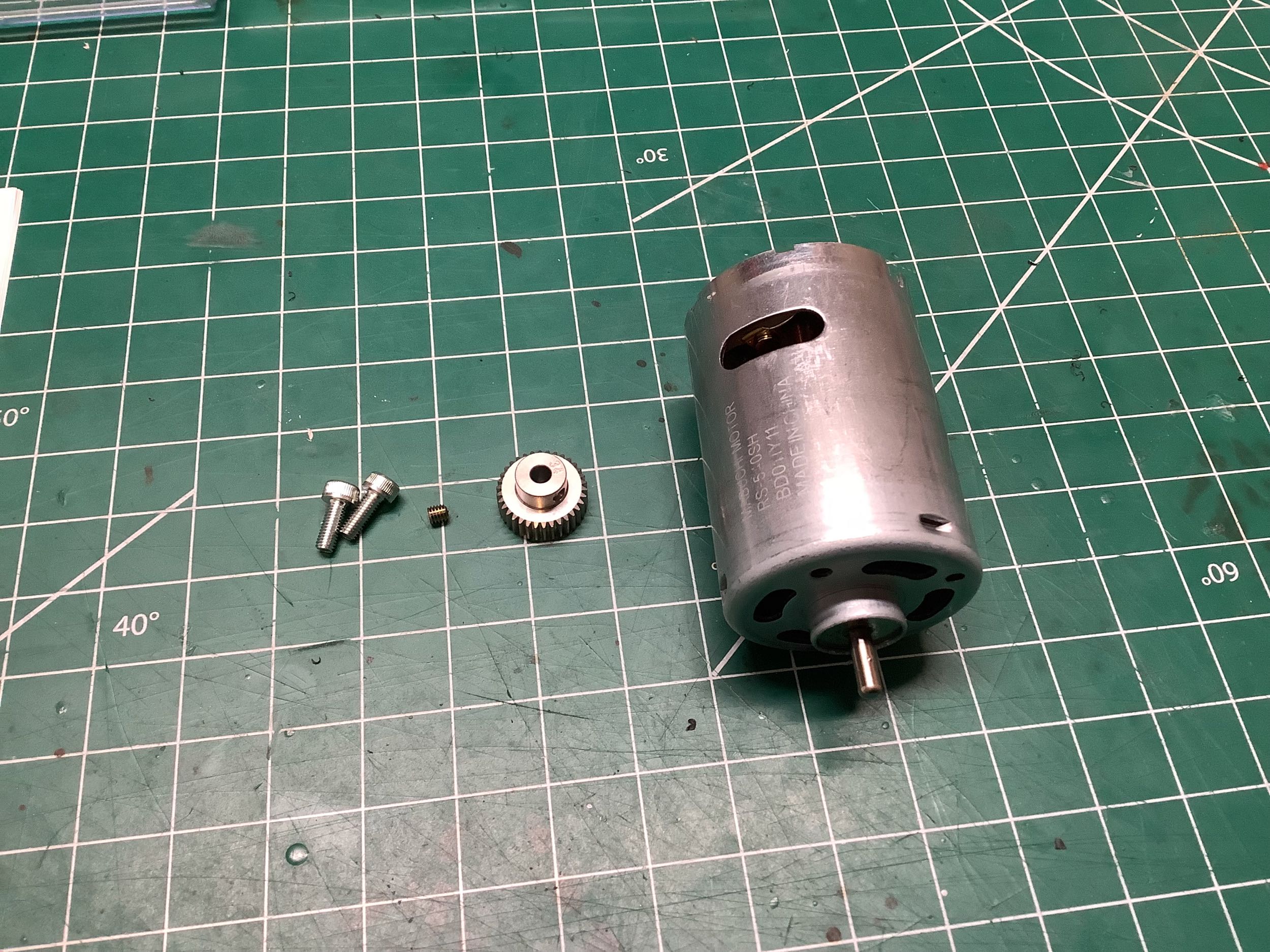
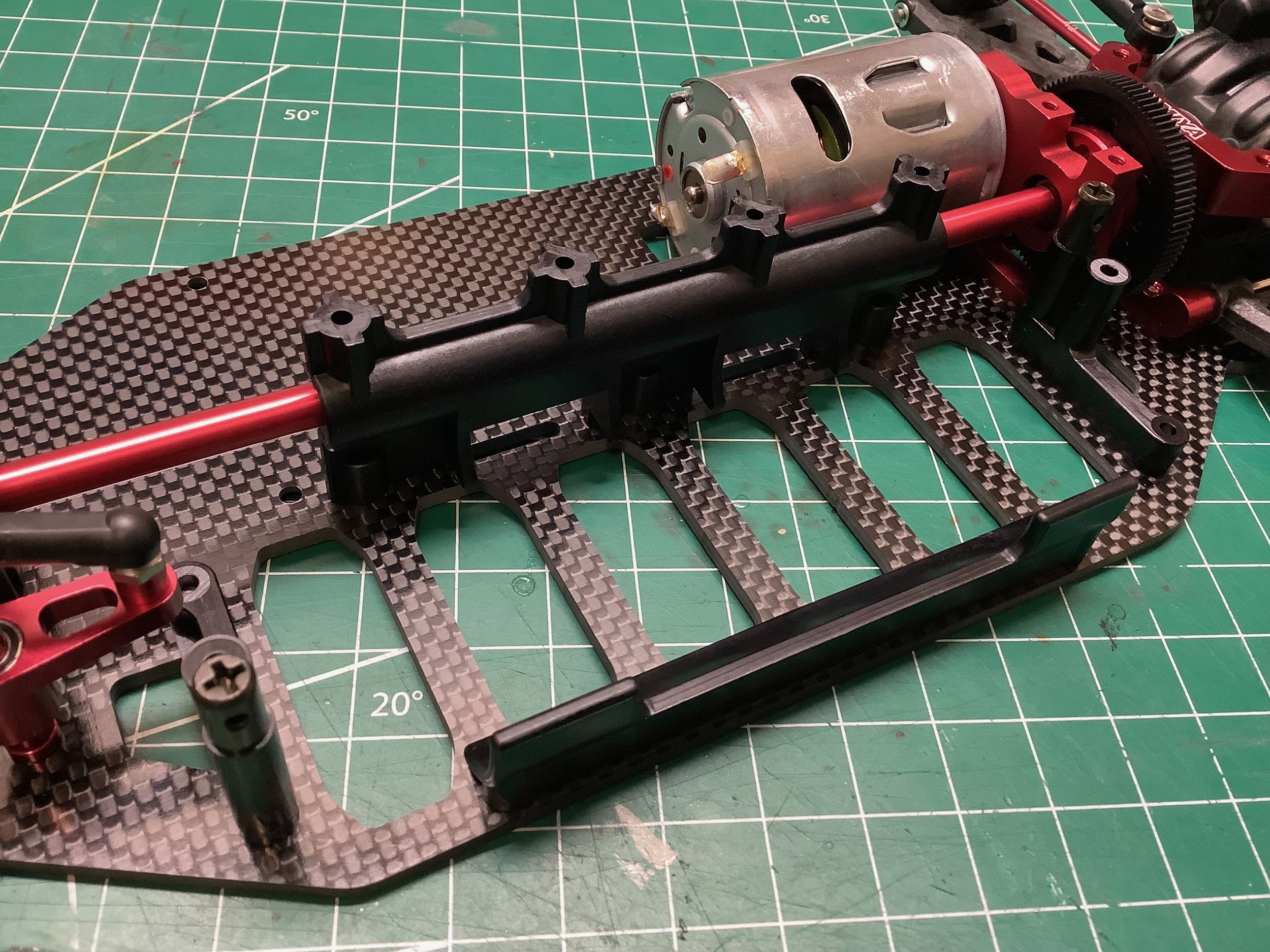
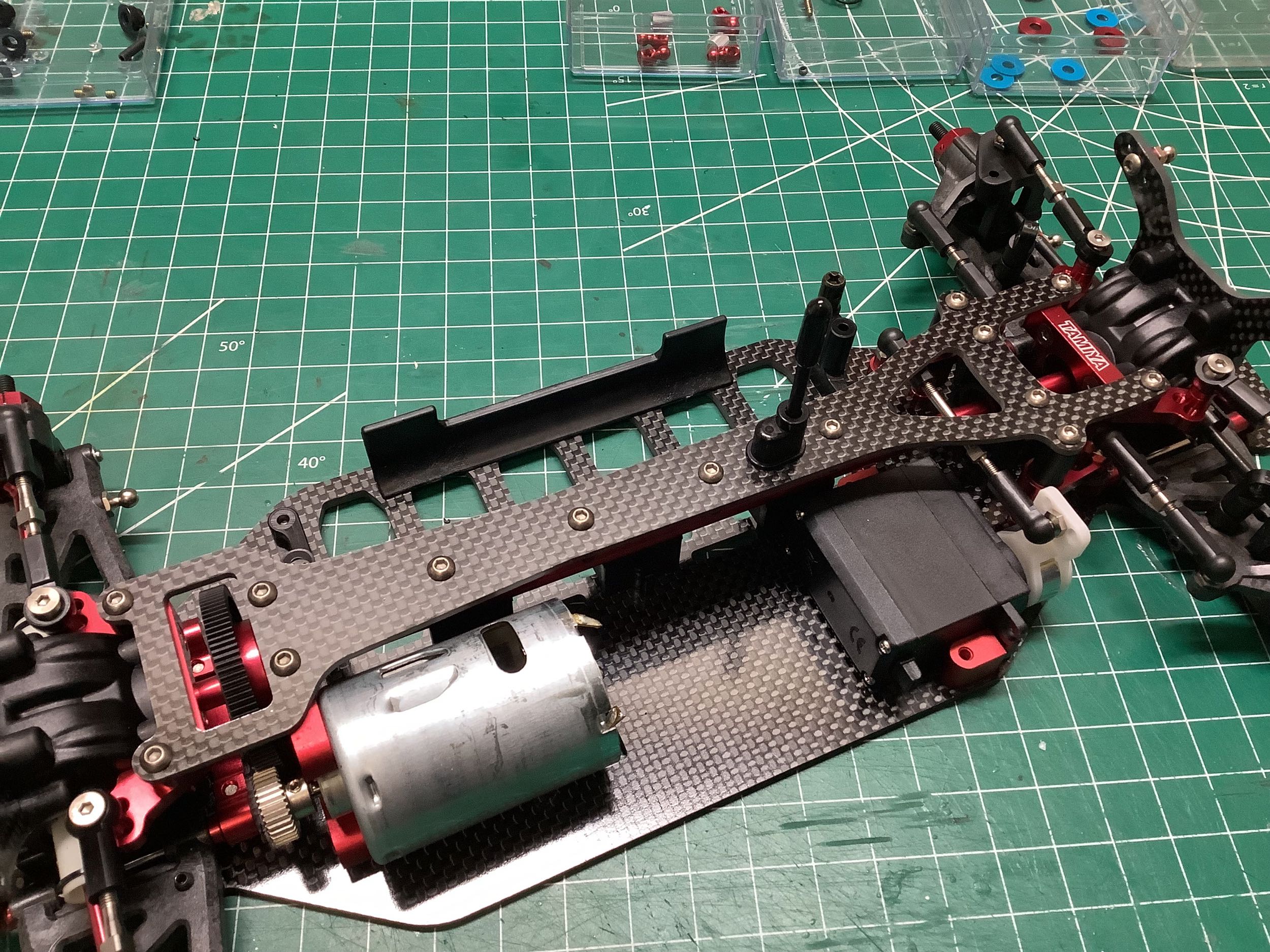
I put a crappy silver can motor in here just for display purposes.  The red Super Stock RZ would have looked amazing, but those are too rare and valuable just for display.  One strange change from the Evo II is that the motor has moved to the other side of the chassis.  Is this to minimize torque roll?  I'm not sure.


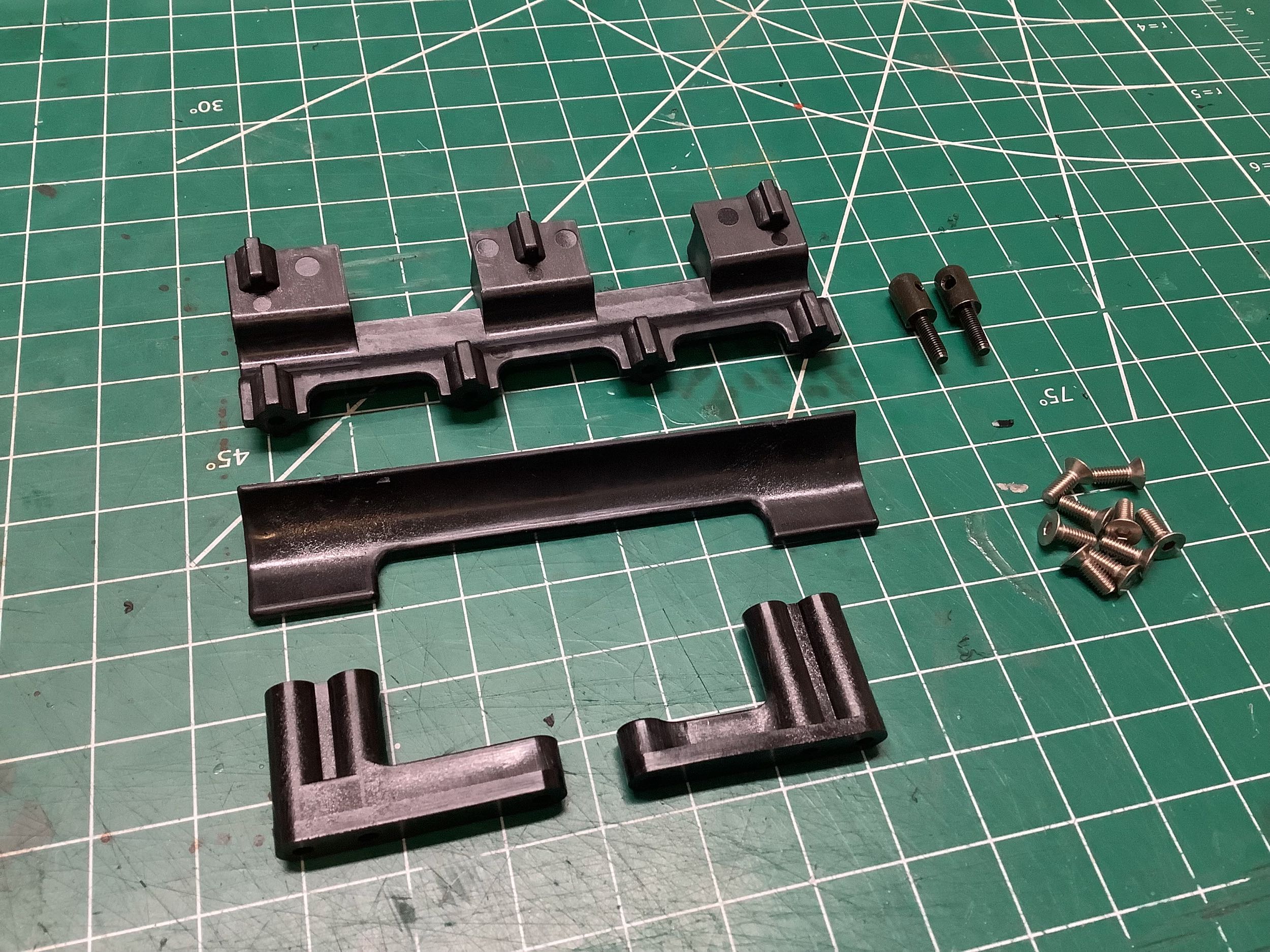
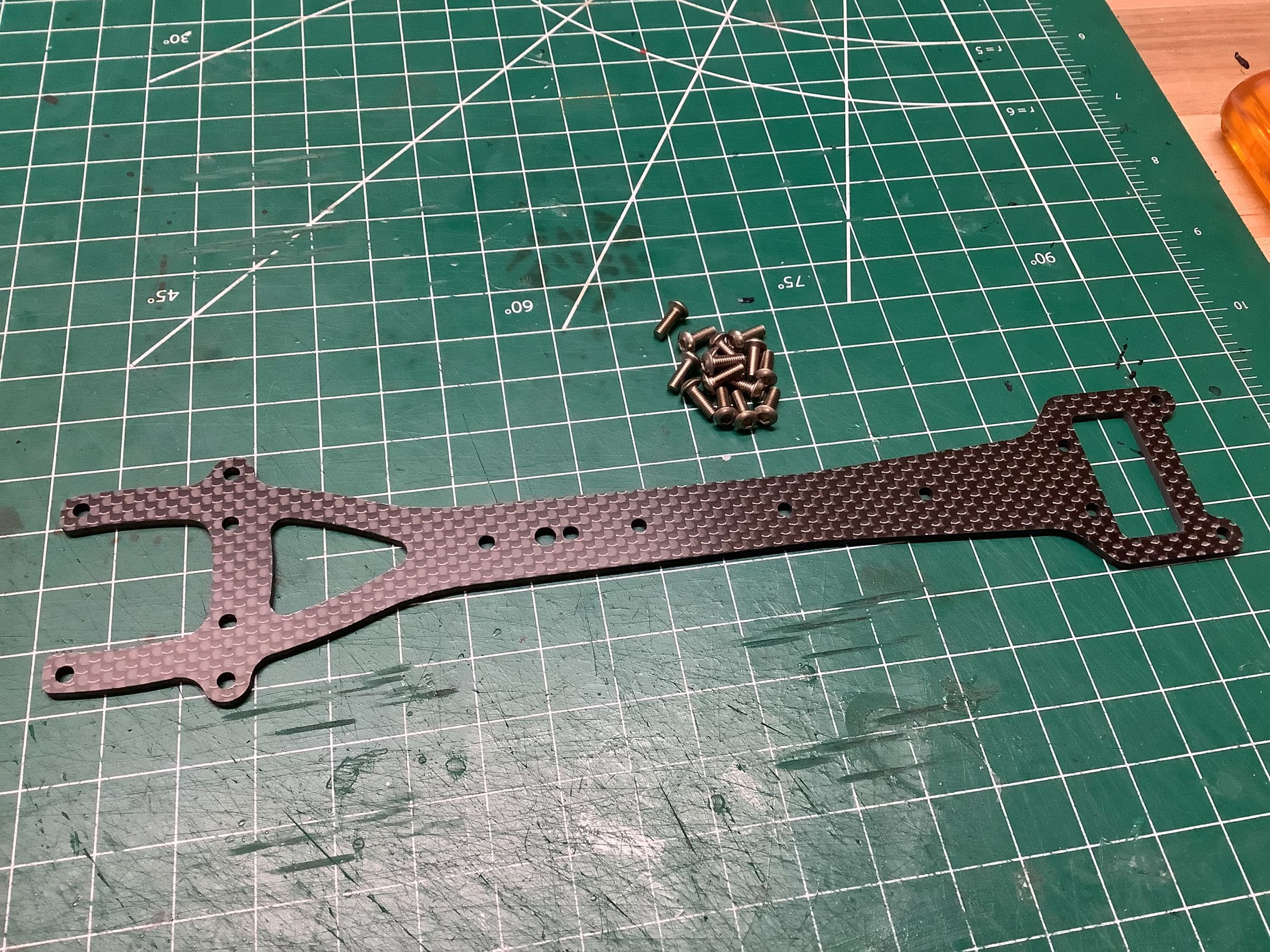
The Evo III uses some new battery supports compared with the Evo II.  Depending on which way the supports are installed, you can use 6 separate lateral cells, or you can use a standard longitudinal stick pack.


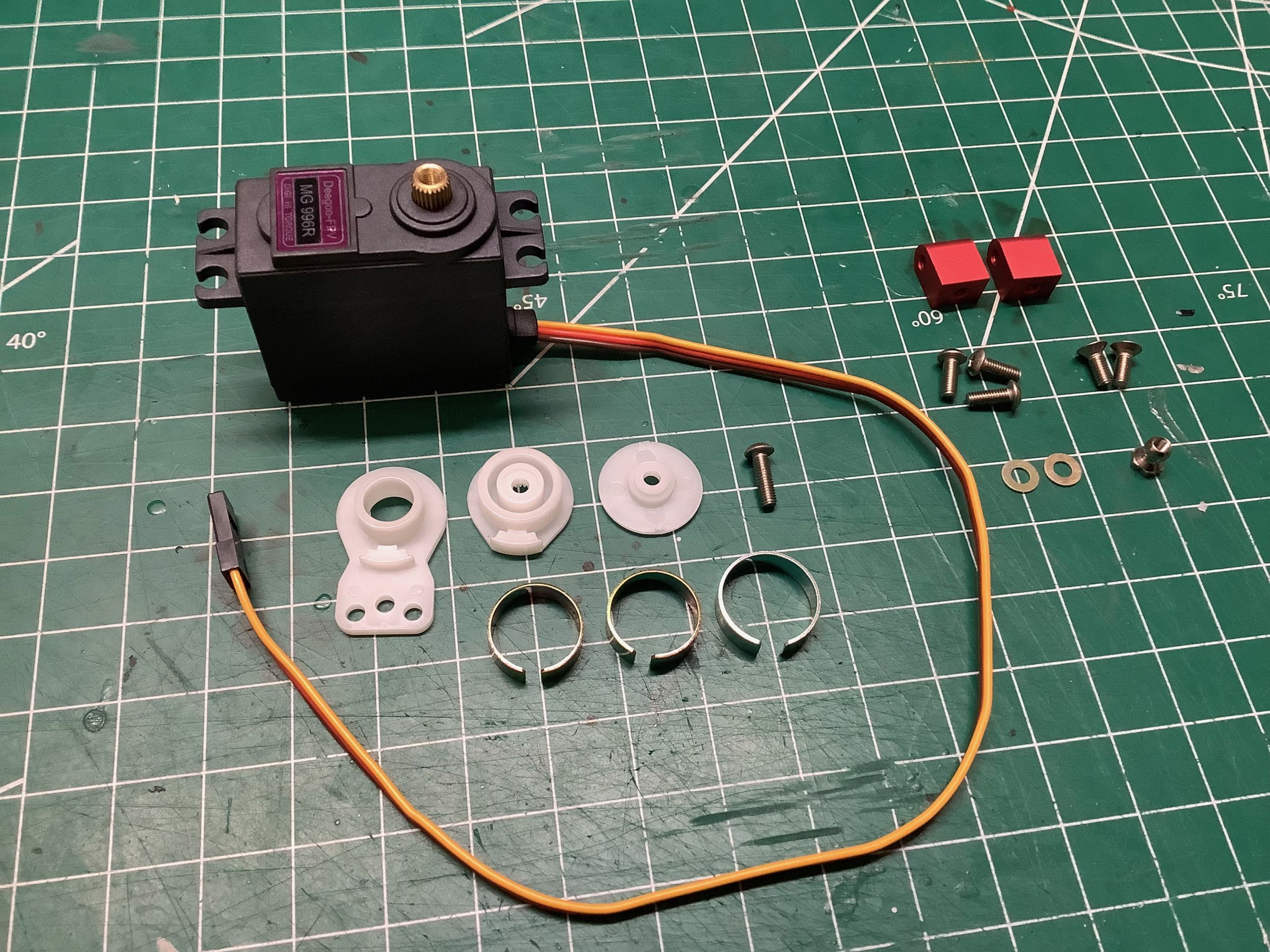
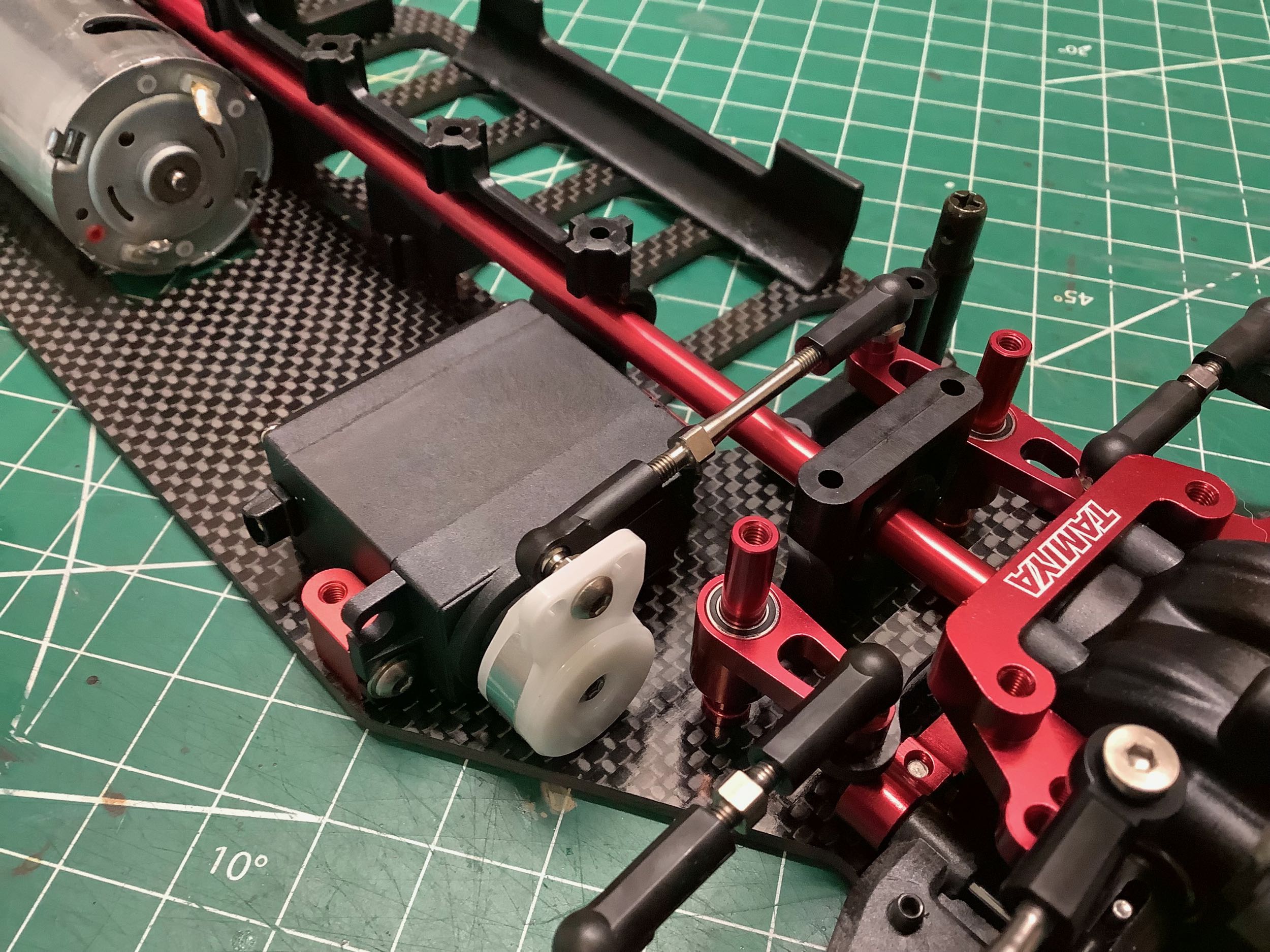
I used a cheap Amazon servo as a display placeholder.  This has also switched sides compared with the Evo II.  There is very little clearance between the steering link and the drive shaft.


Here's the carbon upper deck.  It's notable that after it is installed, almost all of that lovely red anodizing is hidden.


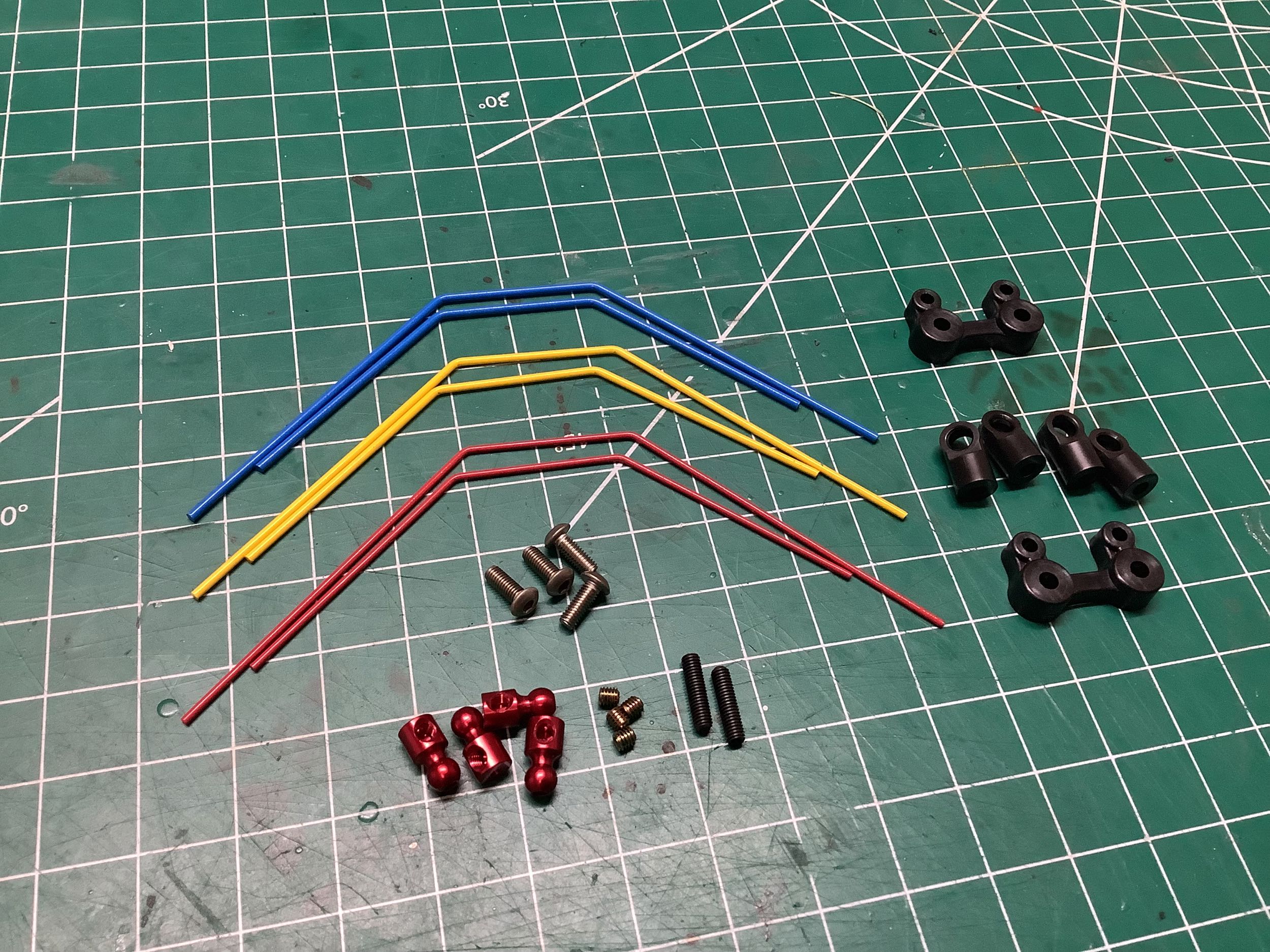
The EVO III includes a full set of color coded sway bars in three thicknesses.  The geometry of the front bar has been simplified compared to the Evo II.


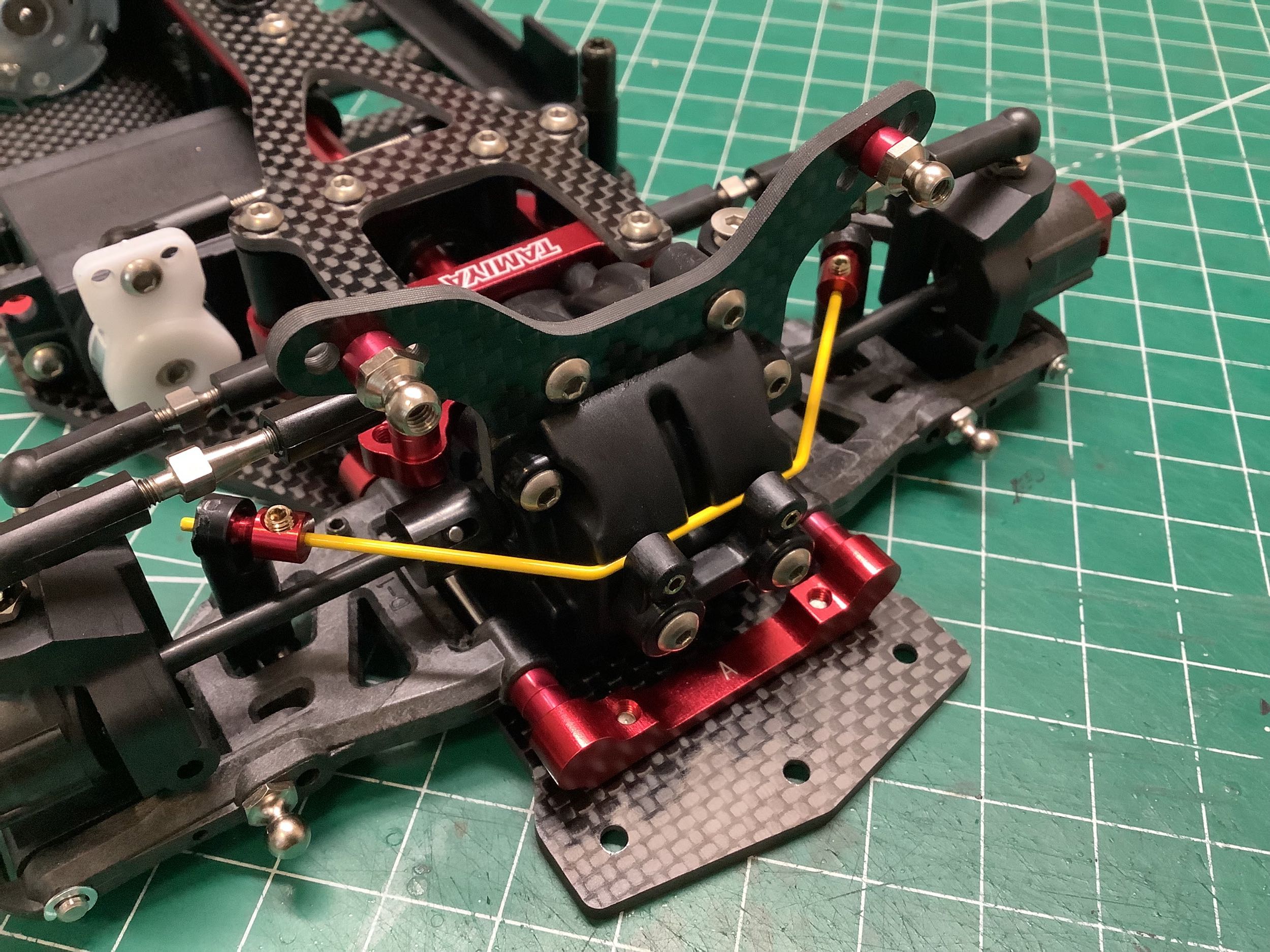
While the regular Evo III uses the red sway bars by default, the Surikarn uses the yellow ones.  I guess this makes them contrast with the aluminum parts.  The pivot axis has been improved compared to the Evo II which was on top of the bumper mount.  Now they are attached directly to the gearbox housing allowing the bumper to be removed.


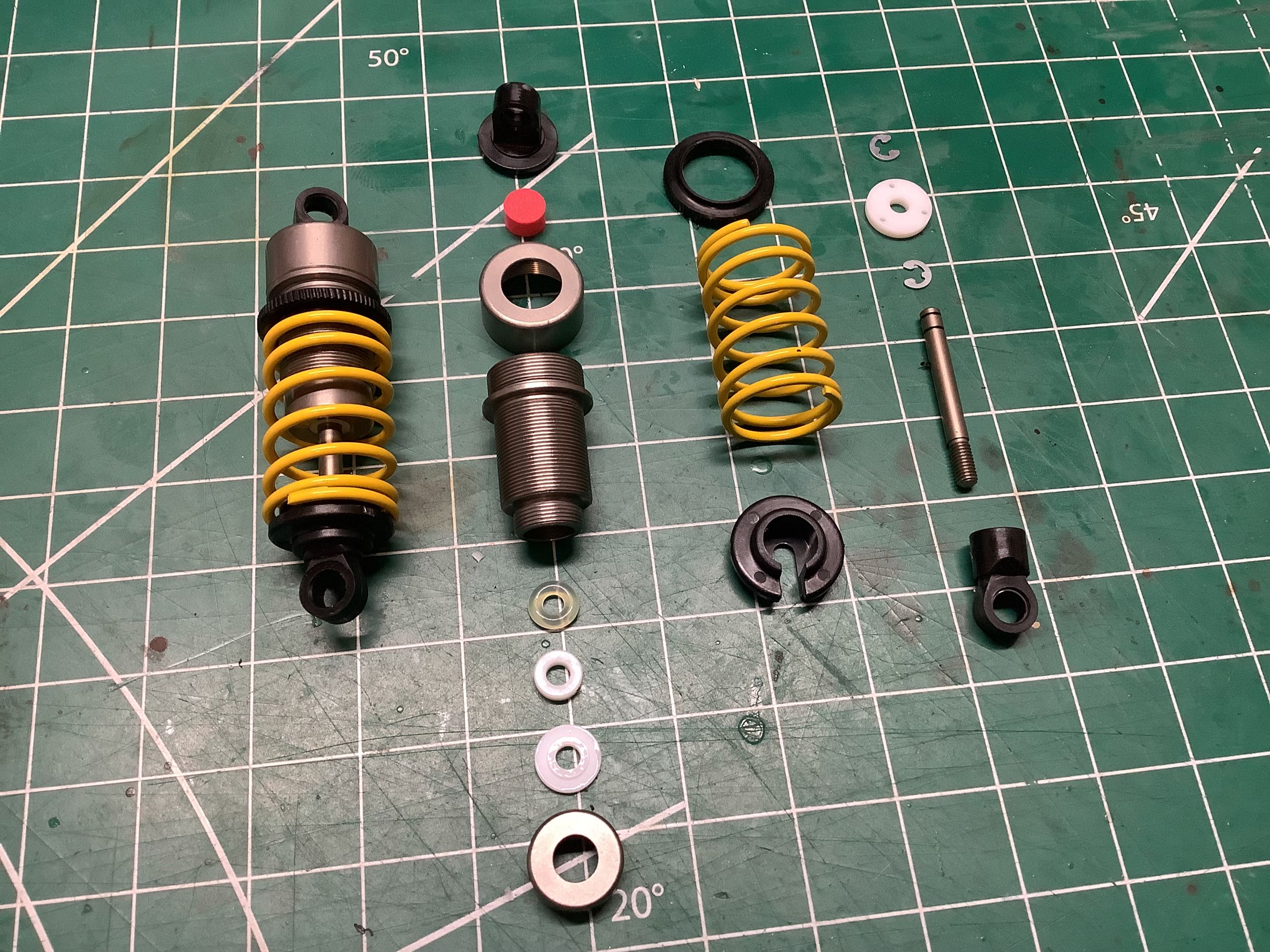
The shocks appear to be unchanged from the Evo II apart from the color of the springs and the use of a disc sponge above the bladder.  The cylinders also appear to be hard anodized.


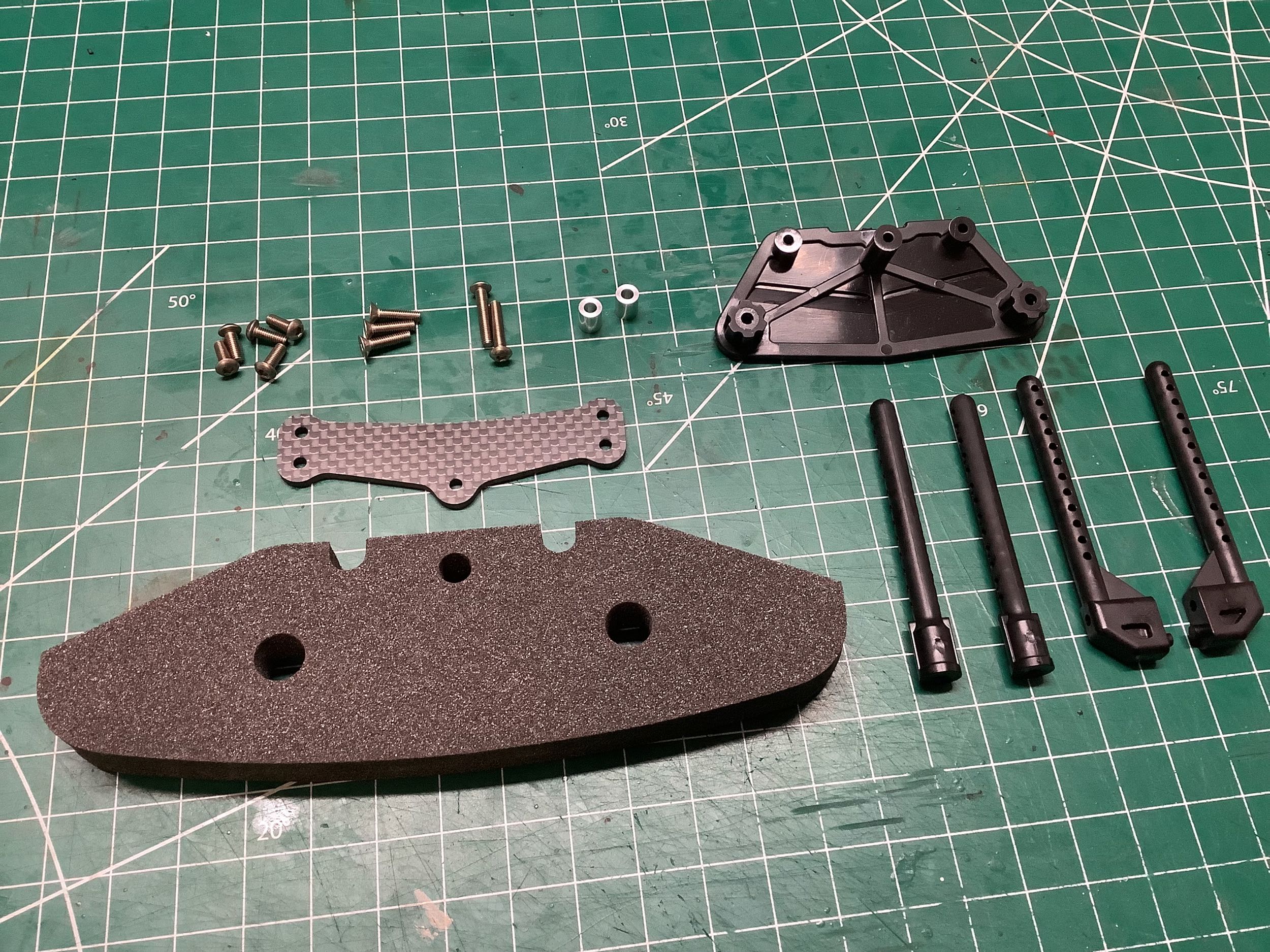
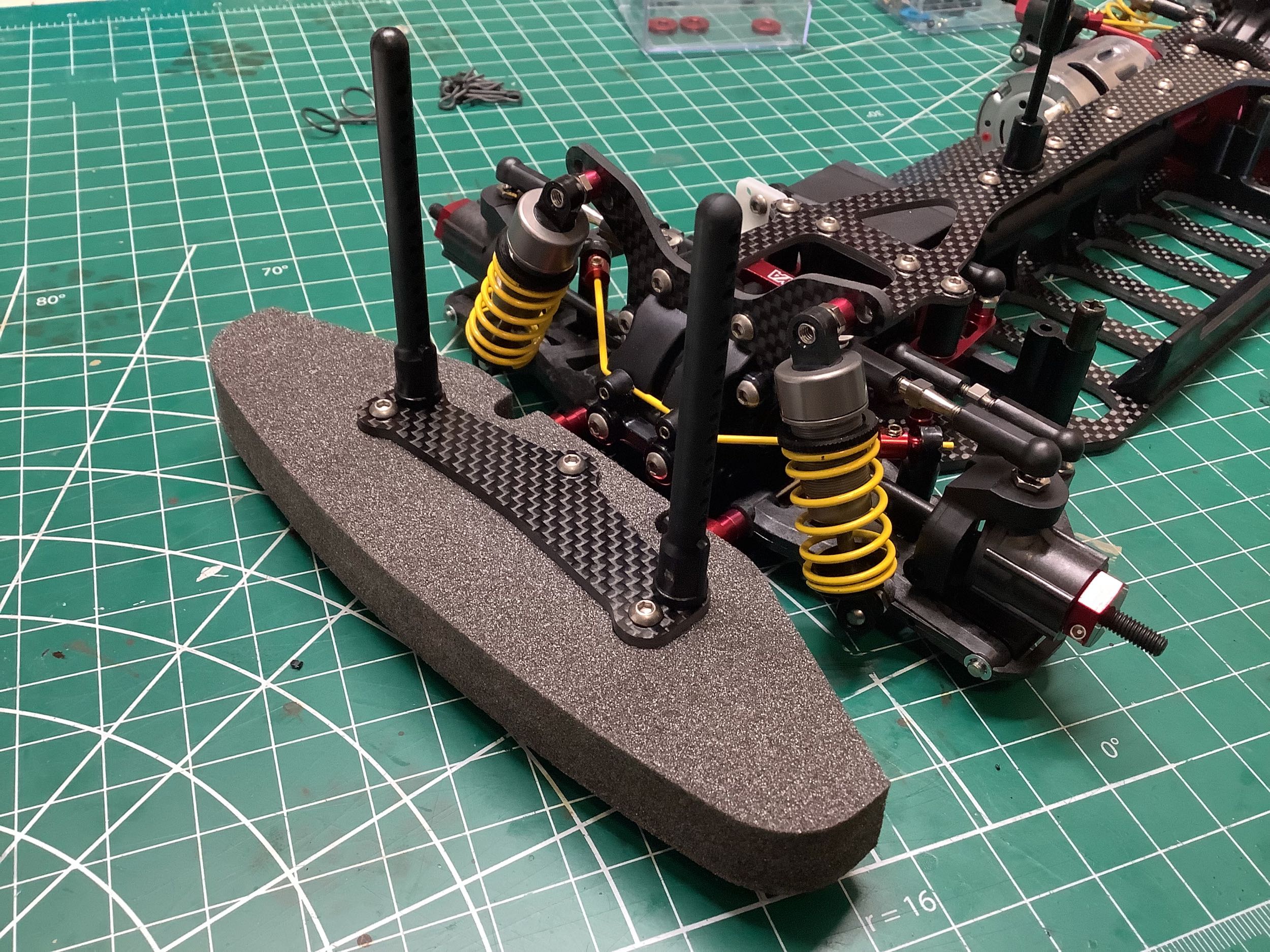
The foam bumper attached differently compared to the Evo II because it is no longer tied into the bulkhead.


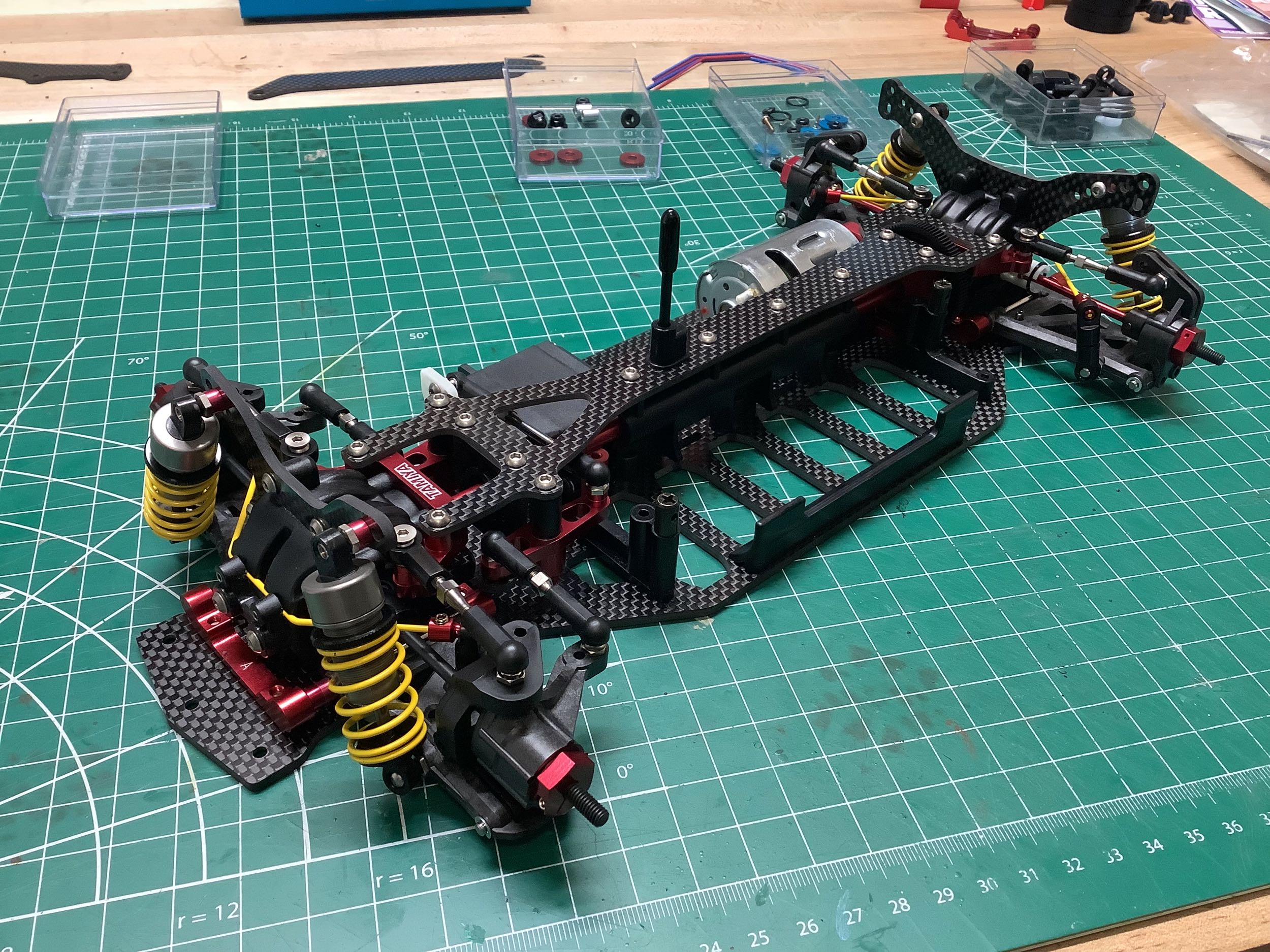
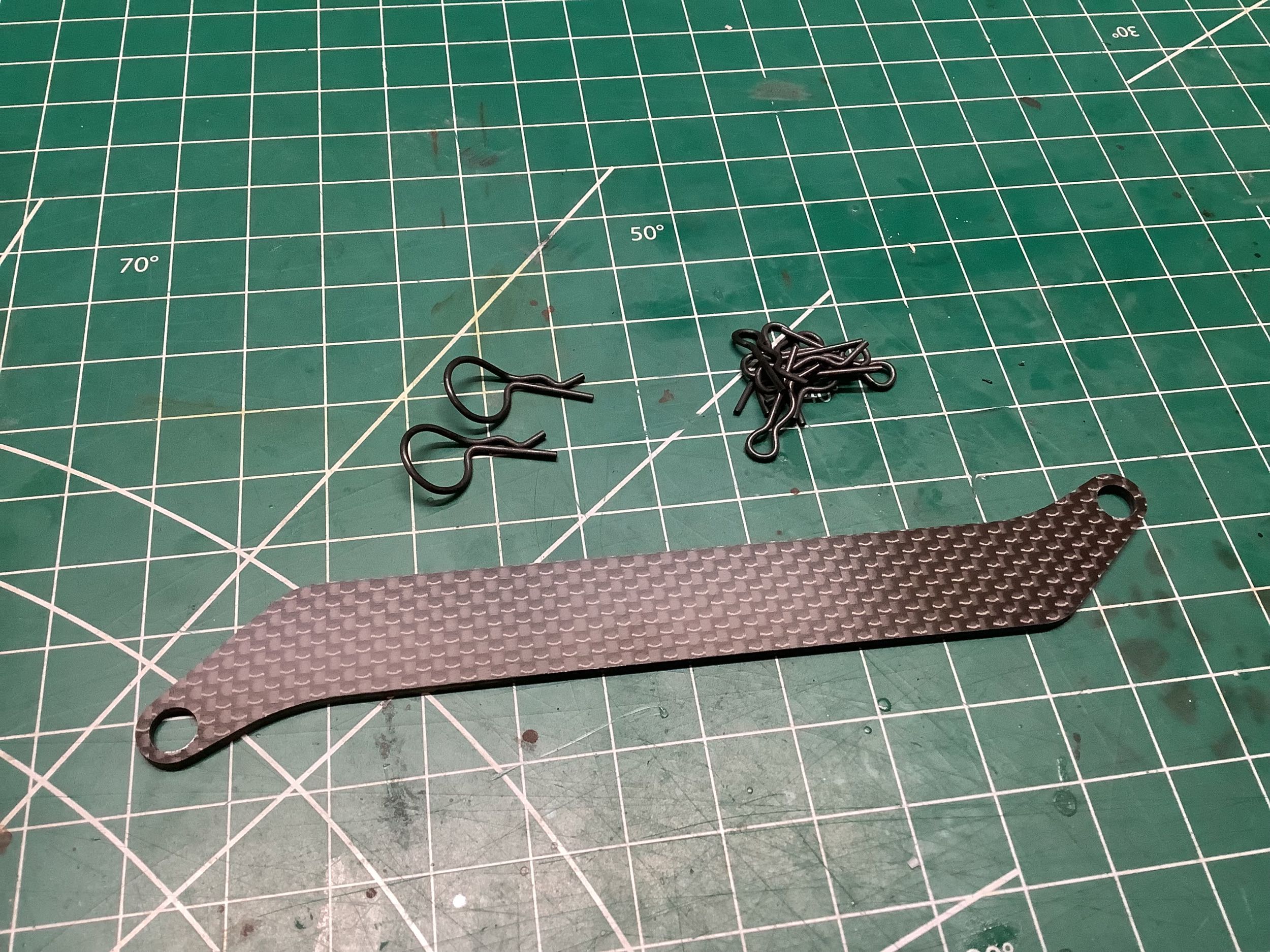
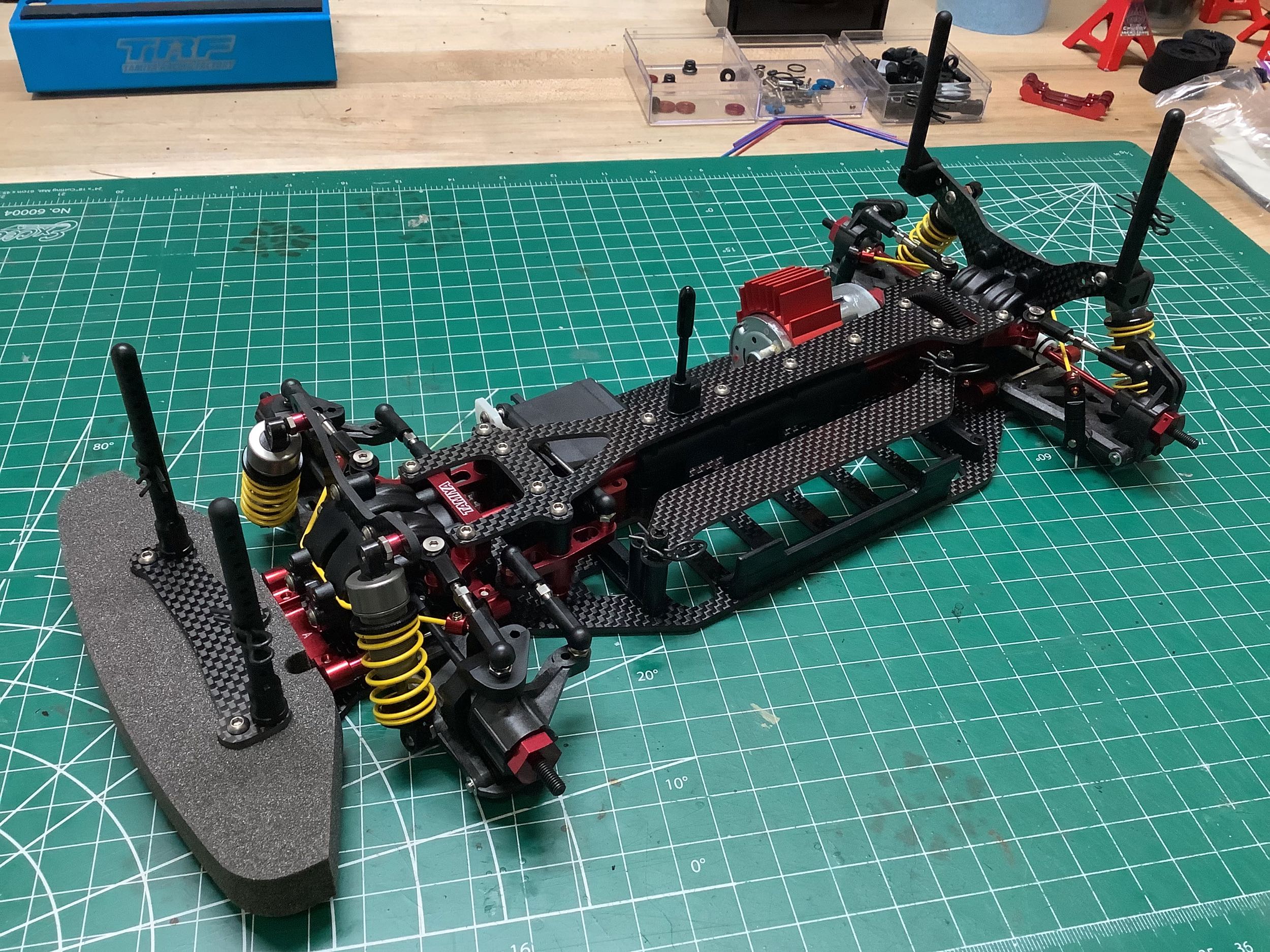
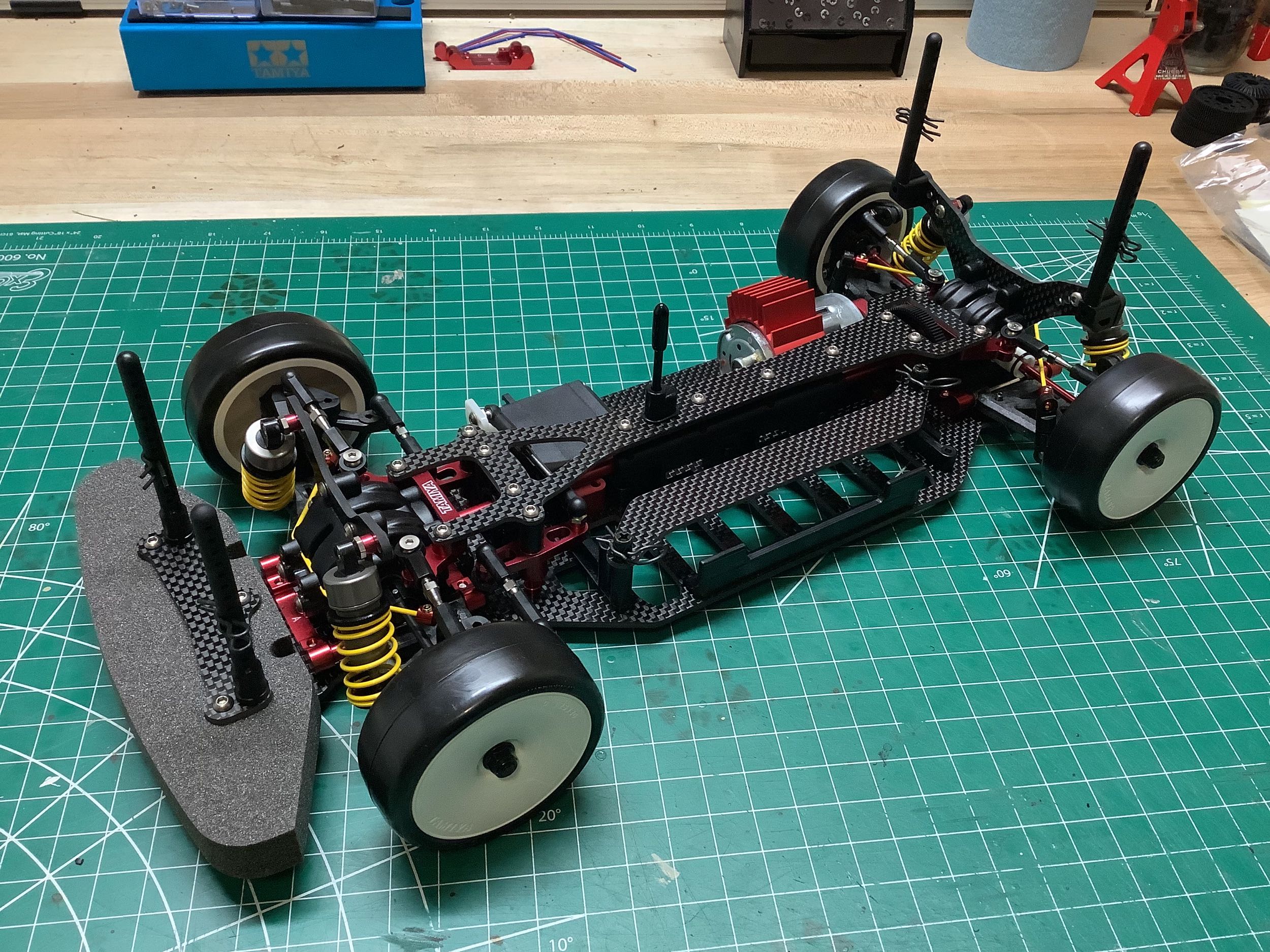
The battery hold down strap is a nice carbon bar retained with snap pins.  That completes the chassis!


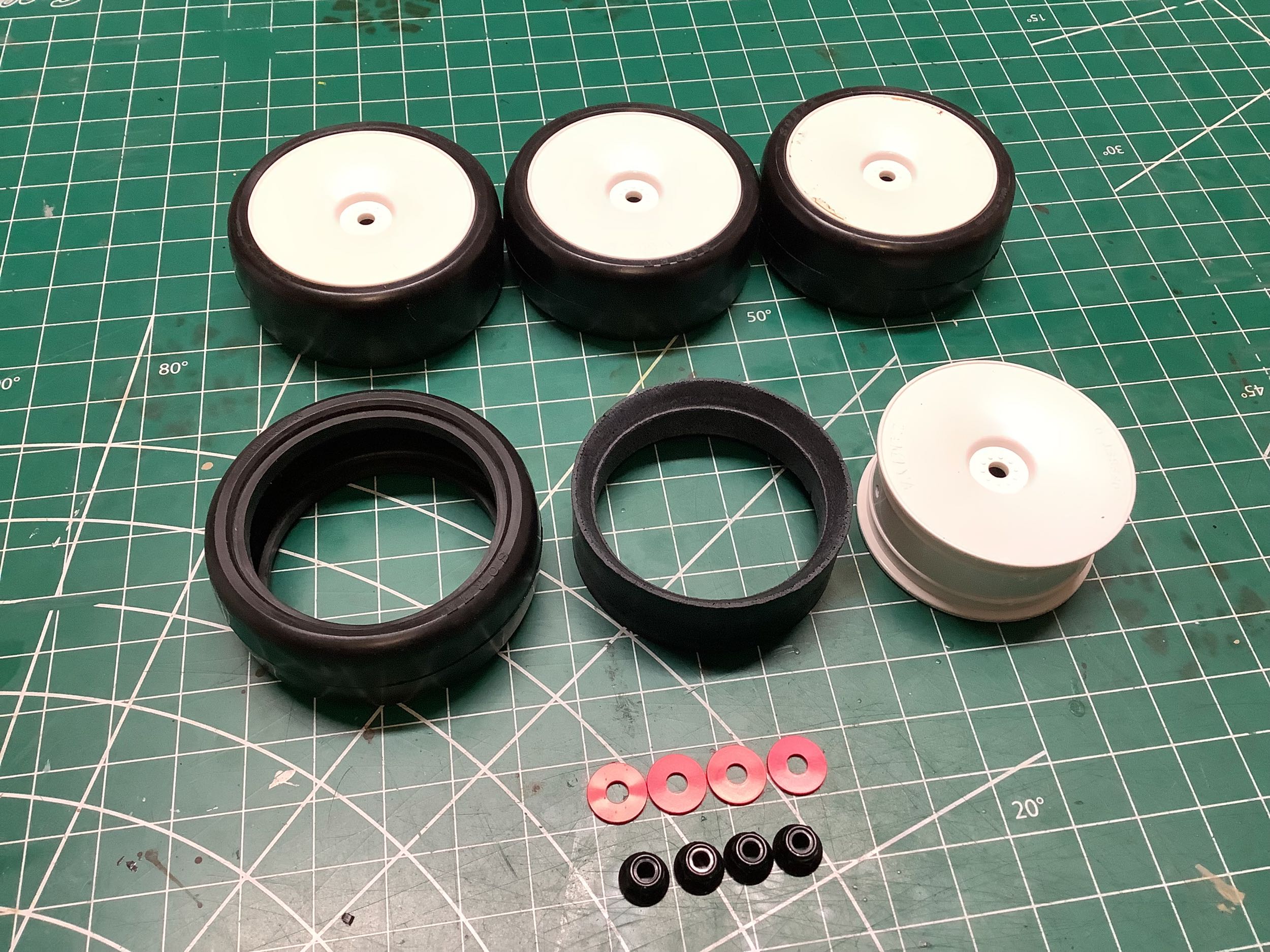
While all versions use standard dish wheels, the Surikarn Edition comes with fancy Sorex tires that are a bit stickier (and shinier) than standard slicks.  Foams are included as well.


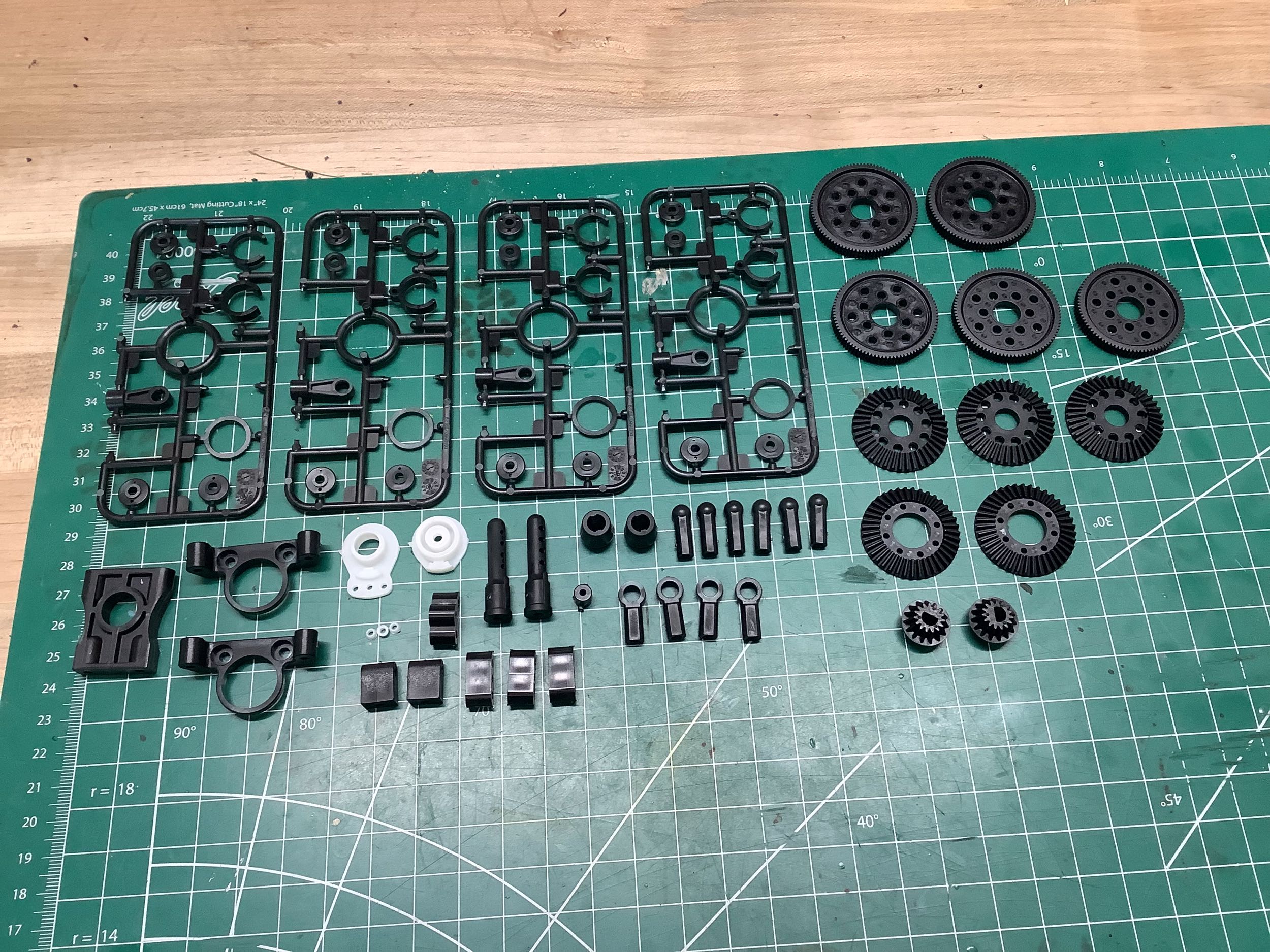
Like the other TV Evolution chassis, this one comes with lots of extra parts including spare ring and pinion gears for the differential, extra spur gears (including optional sizes), and the unused plastic parts replaced by the aluminum upper suspension mounts.

Back to Page 1 | Up to Index | Go to Page 3
©2026 Eric Albrecht